
Uncategorized
What Does It Mean to Protect Children’s Rights in Conflict Zones?

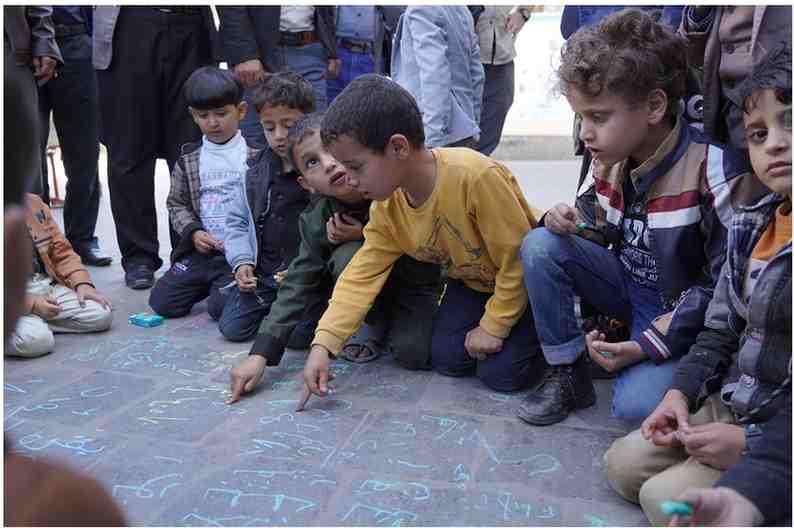
Imagine being nine years old, and suddenly you’re told that school will not reopen tomorrow. Not because of a holiday, but because the building is gone. The desks are buried under rubble. The playground is silent. The teacher who once greeted you every morning has fled with her own family.
For many children living through war, this marks the quiet collapse of something far bigger than a school day.
War not only destroys cities.
It dismantles the routines, relationships, and protections that make childhood a survival task rather than filling with.
This is why conversations about child rights in conflict zones matter so deeply. Protecting those rights means restoring the conditions that allow children to learn, feel safe, and imagine a future beyond the crisis surrounding them.
Why Children’s Rights Become Fragile During War
Children experience conflict differently from adults. When violence forces families to flee, and communities collapse, the institutions designed to protect children, schools, social services, and local support networks often disappear first.
As a result, children in war zones frequently face:
- disrupted education
- separation from family members
- loss of safe community spaces
- increased risk of exploitation
- long-term emotional trauma
Protecting children’s rights during conflict means rebuilding the structures that keep them safe, supported, and able to grow.
What Protecting Children’s Rights Actually Looks Like?
The phrase “children’s rights” often sounds legal or abstract. In conflict settings, it translates into practical actions that help children regain safety, stability, and opportunity.
Most humanitarian programs focus on three essential areas: safety, education, and emotional recovery.
1. Creating Safe Spaces for Children
Safety is the first step in protecting any child’s rights.
In displacement camps and conflict-affected communities, humanitarian organizations establish child-friendly spaces where children can gather under the supervision of trained caregivers. These spaces allow children to play, learn, and reconnect with peers in an environment designed to reduce risk.
Protection workers also identify children who may be vulnerable to:
- trafficking
- forced recruitment by armed groups
- exploitation or abuse
- family separation
By connecting these children with social workers and family support services, communities can intervene before long-term harm occurs. Safety may seem basic. But without it, no other right can be restored.
2. Reopening the Door to Education
When war shuts down schools, children lose more than academic learning. They lose routine, stability, and a sense of progress.
Temporary learning centers help restore that sense of normal life. Even when classrooms are set up in tents or community buildings, education provides structure during chaos.
Programs often include:
- temporary classrooms for displaced children
- teacher training in trauma-informed learning
- accelerated education for students who missed years of school
- books and learning materials for rebuilding classrooms
Education protects children in multiple ways. A child who returns to school is less vulnerable to exploitation, recruitment by armed groups, or early labor. More importantly, education helps children begin to imagine a future again.
3. Supporting Emotional Recovery
The impact of war is not always visible.
Children who witness violence or displacement often struggle with anxiety, sleep disruption, or difficulty concentrating. Without support, these experiences can shape how they grow into adulthood.
Psychosocial programs help children process trauma and rebuild confidence through:
- group counseling sessions
- play-based therapy activities
- peer support networks
- teacher training to recognize trauma symptoms
Healing does not erase what happened.
But it allows children to move forward with greater resilience.
How These Programs Work Together
Protecting children’s rights requires a coordinated approach combining safety, education, and emotional support.
| Protection Effort | Impact on Children |
| Safe child-friendly spaces | Provide stability and supervision |
| Temporary learning centers | Restore routine and education access |
| Psychosocial support programs | Help children process trauma |
| Family and community engagement | Strengthen long-term recovery |
Children recover faster when their families and communities regain stability. Many programs train local teachers, caregivers, and youth leaders to ensure children continue to have support long after the crisis fades.
How Does Your Support Make a Difference?
Rebuilding childhood after conflict requires cooperation between local communities and international supporters.
Many charity organizations in USA help fund programs that provide education access, child protection services, and emotional support for children living in conflict-affected regions. Contributions often support practical outcomes such as:
- reopening classrooms
- training teachers and counselors
- creating safe spaces for displaced children
- strengthening community protection networks
By supporting these initiatives, donors help transform uncertainty into opportunity, ensuring children can regain the routines, education, and emotional support that are their rights.
Closing Thoughts
If you’ve followed this far, you’ve likely seen how protecting children during conflict is not a single act of aid, it is a long-term investment in safety, learning, and recovery.
And when those systems begin to return, childhood begins to return with them.
Because when children regain safety, education, and support, their rights stop being distant promises. They become everyday realities.
And in communities shaped by war, restoring those realities may be one of the most powerful ways to rebuild the future.

Whales: Giants of the Ocean
Whales are among the largest and most remarkable animals on Earth. These marine mammals live in oceans around the world, from warm tropical waters to the cold seas surrounding the poles.
Life Beneath the Surface
Although whales spend their lives in water, they breathe air through blowholes located on top of their heads. They must regularly return to the surface to breathe before diving again in search of food or traveling through the ocean.
Whales are warm-blooded, give birth to live young, and nurse their calves with milk. A thick layer of fat called blubber helps protect them from cold water and stores energy during long migrations.
Two Main Groups
Whales are generally divided into baleen whales and toothed whales. Baleen whales filter small animals from the water using flexible plates inside their mouths. This group includes blue whales, humpback whales, and gray whales.
Toothed whales use teeth to catch fish, squid, and other prey. Many of them also use echolocation, producing sounds and listening for returning echoes to understand their surroundings. Sperm whales, belugas, and orcas belong to this group.
The Blue Whale
The blue whale is the largest known animal to have ever lived. An adult can grow longer than a city bus and weigh well over one hundred tonnes. Despite its enormous size, it feeds mainly on tiny crustaceans called krill.
Communication and Migration
Whales communicate using clicks, whistles, pulses, and complex songs. Some sounds can travel across great distances underwater. Humpback whales are especially famous for their long, patterned songs.
Many species migrate thousands of kilometres each year. They often feed in cold, nutrient-rich waters before traveling to warmer regions where they mate and give birth.
Protecting Whales
Commercial hunting once caused severe declines in many whale populations. Today, whales also face threats from fishing gear, ship collisions, underwater noise, pollution, and changes to ocean ecosystems.
Conservation programs, safer fishing practices, protected habitats, and international cooperation can help whale populations recover. Protecting whales also supports healthier oceans because these animals play an important role in marine food webs and nutrient cycles.
-
 News9 months ago
5 Signs of a Silverfish Infestation You Should Never Ignore in Norway
-

 Finance8 months ago
Planning Strategies for Securing Your Financial Independence
-

 Finance8 months ago
Scaling Without Spilling: How Fast Growth Stays Accountable
-
 Uncategorized8 months ago
The Future of Personalized Tutoring: Trends Transforming Global Education
-

 Real Estate5 months ago
Careers Huntington WV: How to Launch a Real Estate Career in 2026
-

 Uncategorized7 months ago
Why Clutches Are a Go-To Option for Evening Events
-

 Uncategorized6 months ago
Healthy Aging at Home: Daily Habits That Make the Biggest Difference
-

 Life style3 months ago
The Untold Story of Joanna Sturm’s Family