
Uncategorized
The Future of Personalized Tutoring: Trends Transforming Global Education

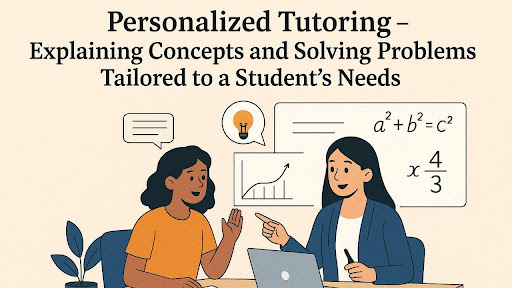
Personalized tutoring has rapidly become one of the most transformative forces in modern education. As more students seek flexible, tailored academic support, many turn to platforms where they can hire an expert for academic support, enabling them to overcome challenges at their own pace. This evolution is not only reshaping learning outcomes but redefining what global education will look like in the years ahead.
What Is Personalized Tutoring?
Personalized tutoring refers to instruction that adapts to each student’s strengths, weaknesses, learning style, and goals. Unlike traditional tutoring, which typically follows a fixed method, personalized tutoring uses technology, analytics, and learner-centered strategies to craft an individualized learning pathway.
How It Differs from Traditional Tutoring
Traditional tutoring focuses on curriculum coverage; personalized tutoring focuses on competency, mastery, and pacing.
Why It Is Growing Globally
Students now expect flexibility, personalization, and digital integration. These factors combined with global access to online learning fuel widespread adoption.
The Rise of Personalized Tutoring in Modern Education
In recent years, personalized tutoring has grown exponentially due to shifting academic needs, technological breakthroughs, and increased competition among global learners.
Demand for Flexible Learning
Students need solutions that work around school, jobs, or time-zone differences. Personalized tutoring provides an adaptable schedule.
Increased Focus on Individualized Success
Platforms now measure progress in real-time, helping learners stay motivated while tutors adjust strategies to maximize results.
Key Technologies Powering Personalized Tutoring
Technological innovation is the backbone of personalized education, enabling scalable, data-driven learning experiences.
Artificial Intelligence and Machine Learning
AI evaluates student behavior, identifies gaps, and recommends the most effective learning path faster than any human could.
Adaptive Learning Platforms
Systems adjust difficulty levels automatically, ensuring students are neither overwhelmed nor unchallenged.
Data-Driven Assessment Tools
Analytics reveal patterns in student performance, predicting areas where support is needed before issues escalate.
Benefits of Personalized Tutoring for Students and Educators
Improved Engagement
Learners stay more motivated when lessons match their interests, pace, and comprehension level.
Higher Academic Performance
Evidence suggests personalized learning leads to better grades, stronger retention, and greater long-term mastery.
Global Accessibility and Equity
Students worldwide can access high-quality tutoring at affordable prices, leveling the educational playing field.
Future Trends Shaping Personalized Tutoring
The future of personalized tutoring is dynamic, immersive, and increasingly intelligent.
AI-Powered Virtual Tutors
AI tutors will soon simulate human-like conversations, offering support 24/7 with unmatched personalization.
Gamification and Immersive Learning Experiences
Interactive game elements, virtual environments, and real-world simulations will drive engagement and motivation.
Predictive Learning Analytics
Platforms will forecast student needs before challenges arise, enabling preventative academic support.
Hybrid Models (Human + AI Collaboration)
The future blends empathy-driven human tutoring with data-driven AI efficiency for the best of both worlds.
Challenges and Ethical Considerations
Data Privacy and Student Safety
As technology expands, safeguarding learner information becomes paramount.
Technology Access Gaps
Not all learners have equal access to digital tools, risking a widening educational divide.
Over-reliance on Automation
Human insight remains invaluable; AI must support—not replace human educators.
How Students and Parents Can Choose the Right Personalized Tutoring Platform
Key Features to Look For
- Progress tracking
- Personalized study plans
- Flexible scheduling
- Expert tutor qualifications
- AI-enhanced learning features
Platform vs. Private Tutor: Which Is Better?
Platforms offer structure, analytics, and flexibility; private tutors offer focused 1:1 interaction. The best choice depends on learning goals.
Navigational Guidance: How to Find the Right Platform
Search for tutoring platforms emphasizing analytics, flexibility, and adaptive learning key indicators of future-ready solutions.
Conclusion
As personalized tutoring continues to evolve, it is clear that technology, customization, and global accessibility will define the next era of education. Students are no longer bound by traditional structures; they can learn on their terms, guided by intelligent systems and skilled tutors. As this transformation accelerates, platforms like Scholarlyhelp play a pivotal role in making personalized, future-ready education available to all.
FAQs:
1. What is personalized tutoring?
Personalized tutoring is a customized learning approach where lessons, pace, and teaching strategies are tailored to each student’s unique needs, strengths, and academic goals.
2. How does personalized tutoring differ from traditional tutoring?
Traditional tutoring often follows a fixed curriculum, while personalized tutoring adapts dynamically based on a student’s performance, learning style, and ongoing progress.
3. What technologies support personalized tutoring?
AI-driven learning systems, adaptive learning platforms, data analytics, virtual tutoring tools, and personalized assessment dashboards all enhance individual learning experiences.
4. Why is personalized tutoring becoming popular globally?
Rising academic pressure, the need for flexible learning schedules, and the desire for better learning outcomes are driving global demand for customized tutoring methods.
5. What are the benefits of personalized tutoring?
Students experience improved engagement, higher academic performance, better retention, and a more enjoyable learning process. Educators benefit from data insights and tailored teaching strategies.
6. What future trends will shape personalized tutoring?
Expect AI-powered virtual tutors, gamified learning environments, predictive analytics for performance, and hybrid tutoring models that combine human guidance with intelligent automation.
7. Is personalized tutoring suitable for all age groups?
Yes. Personalized learning strategies can be adapted for school students, college learners, adult professionals, and individuals preparing for specialized exams.
8. How can parents choose the right personalized tutoring platform?
They should look for expert tutors, transparent reporting, adaptive tools, flexible scheduling, and strong reviews. Platforms offering long-term progress tracking are especially effective.
Whales: Giants of the Ocean
Whales are among the largest and most remarkable animals on Earth. These marine mammals live in oceans around the world, from warm tropical waters to the cold seas surrounding the poles.
Life Beneath the Surface
Although whales spend their lives in water, they breathe air through blowholes located on top of their heads. They must regularly return to the surface to breathe before diving again in search of food or traveling through the ocean.
Whales are warm-blooded, give birth to live young, and nurse their calves with milk. A thick layer of fat called blubber helps protect them from cold water and stores energy during long migrations.
Two Main Groups
Whales are generally divided into baleen whales and toothed whales. Baleen whales filter small animals from the water using flexible plates inside their mouths. This group includes blue whales, humpback whales, and gray whales.
Toothed whales use teeth to catch fish, squid, and other prey. Many of them also use echolocation, producing sounds and listening for returning echoes to understand their surroundings. Sperm whales, belugas, and orcas belong to this group.
The Blue Whale
The blue whale is the largest known animal to have ever lived. An adult can grow longer than a city bus and weigh well over one hundred tonnes. Despite its enormous size, it feeds mainly on tiny crustaceans called krill.
Communication and Migration
Whales communicate using clicks, whistles, pulses, and complex songs. Some sounds can travel across great distances underwater. Humpback whales are especially famous for their long, patterned songs.
Many species migrate thousands of kilometres each year. They often feed in cold, nutrient-rich waters before traveling to warmer regions where they mate and give birth.
Protecting Whales
Commercial hunting once caused severe declines in many whale populations. Today, whales also face threats from fishing gear, ship collisions, underwater noise, pollution, and changes to ocean ecosystems.
Conservation programs, safer fishing practices, protected habitats, and international cooperation can help whale populations recover. Protecting whales also supports healthier oceans because these animals play an important role in marine food webs and nutrient cycles.
-

 News9 months ago
5 Signs of a Silverfish Infestation You Should Never Ignore in Norway
-

 Finance8 months ago
Planning Strategies for Securing Your Financial Independence
-

 Finance8 months ago
Scaling Without Spilling: How Fast Growth Stays Accountable
-

 Real Estate5 months ago
Careers Huntington WV: How to Launch a Real Estate Career in 2026
-

 Uncategorized7 months ago
Why Clutches Are a Go-To Option for Evening Events
-

 Uncategorized6 months ago
Healthy Aging at Home: Daily Habits That Make the Biggest Difference
-

 Life style3 months ago
The Untold Story of Joanna Sturm’s Family
-

 Home Improvement5 months ago
Smart Heating Solutions That Help Keep Homes Comfortable All Winter