Buying Guides
9 Things to Consider Before Buying a Waterfront Property

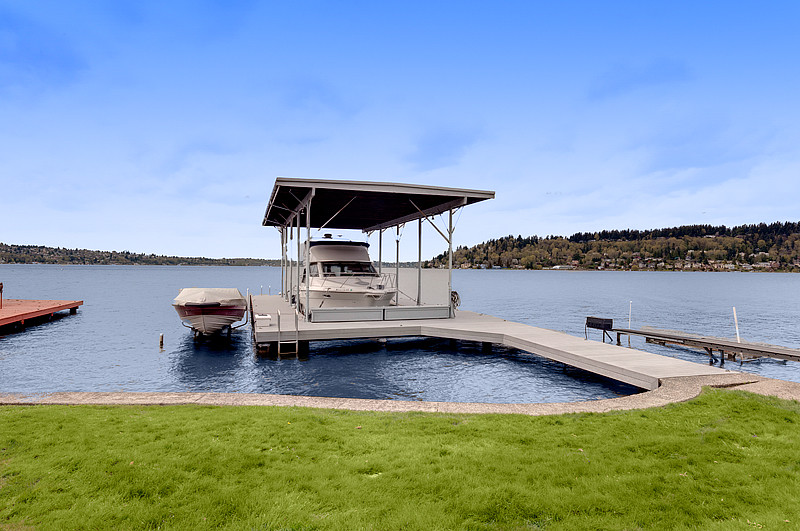
Owning a home beside the water can feel like the ultimate lifestyle upgrade. There is the view, the privacy, and the convenience of stepping outside for a morning swim, an afternoon paddle, or a sunset boat ride. For many buyers, a waterfront property is not simply a home. It represents a different way of living.
However, buying near an ocean, lake, river, or canal involves considerations that do not apply to most traditional homes. Shoreline regulations, flood exposure, insurance costs, dock rights, and maintenance can all affect the property’s long-term value.
Before committing to a waterfront home, take time to look beyond the scenery and examine how the property will function throughout the year.
1. Decide What Type of Waterfront Lifestyle You Want
Not every waterfront property provides the same experience. A lakefront cottage may offer quiet surroundings and easy swimming access, while an oceanfront home may provide dramatic views but face stronger winds, salt exposure, and seasonal storms.
Think about how you plan to use the water. Buyers interested in kayaking, fishing, or paddleboarding may be happy with relatively shallow water. Someone hoping to keep a motorboat or yacht nearby will need adequate water depth, suitable dock access, and a clear route to navigable waterways.
Visit the area at different times of day before making a decision. Water levels, boat traffic, noise, and wind conditions may look very different in the afternoon than they do during a peaceful morning showing.
2. Investigate the Property’s Flood Risk
A waterfront view usually comes with some degree of flood exposure. Even homes that have never experienced serious flooding may sit in areas where storms, rising water, heavy rainfall, or drainage problems create future risks.
Ask for the property’s flood-zone designation and available flood history. Local planning departments, emergency-management offices, and insurance professionals can provide additional information about the surrounding area.
Do not evaluate only the house itself. Check whether the driveway, access road, garage, septic system, and utilities could be affected during high water. A home may remain dry while the only road leading to it becomes temporarily inaccessible.
If the house includes flood-resistant construction, raised mechanical systems, barriers, or improved drainage, determine when those features were installed and whether they comply with current local requirements.
3. Get an Insurance Estimate Before Making an Offer
Insurance for waterfront homes can cost considerably more than coverage for comparable inland properties. Standard homeowners insurance may not include flood damage, and properties in coastal regions may require separate flood, windstorm, or hurricane policies.
Request insurance estimates early in the buying process. Waiting until closing may leave you with an unexpected annual expense that changes the affordability of the property.
An insurance professional may ask about:
- The property’s flood zone
- Elevation above the expected flood level
- Distance from the shoreline
- Roof age and construction materials
- Storm shutters or impact-resistant windows
- Previous claims
- Seawalls, docks, and other waterfront structures
Be sure to ask whether docks, boat lifts, detached buildings, and shoreline improvements are covered. These features may need additional protection.
4. Confirm the Boundaries and Water Rights
Waterfront boundaries are not always as straightforward as they appear. The edge of the lawn may not represent the legal property line, and ownership rights can change based on state law, local rules, recorded easements, or the type of water involved.
A professional survey can show the property’s legal boundaries and identify shared access points or encroachments. Buyers should also determine whether the property includes riparian or littoral rights, which generally relate to the use of water adjoining the land.
Important questions include:
- Does ownership extend to the waterline?
- Is the beach private or open to the public?
- Do neighbors have a right to cross the property?
- Are there shared docks or access paths?
- Can the owner legally install or expand a dock?
- Are there restrictions on removing vegetation near the shoreline?
A real estate attorney familiar with local waterfront laws can help explain exactly what is included in the purchase.
5. Evaluate the Dock and Boating Access
A dock can add significant practical and lifestyle value, but its presence does not automatically guarantee useful boating access. Inspect the dock’s physical condition and confirm that it was built with the necessary permits.
Water depth is equally important. A dock that works for a small fishing boat may not accommodate a larger vessel. Ask about average depth, seasonal fluctuations, low tides, underwater obstructions, and access to open water.
If boating is central to your plans, research vessel requirements before evaluating the property. Resources covering yacht ownership and boating guides can help you understand considerations such as draft, docking space, maintenance, and the equipment needed for different vessels.
Also check whether nearby bridges, locks, or narrow channels could limit the size or type of boat that can reach the property.
6. Inspect the Shoreline and Erosion Protection
The condition of the shoreline can influence both safety and future maintenance costs. Look for signs of erosion, including exposed roots, missing soil, leaning trees, cracked retaining walls, or sections where the land appears to be washing away.
Some properties rely on seawalls, bulkheads, riprap, or planted buffers to control erosion. These systems need regular inspection and can be expensive to repair or replace.
Ask when the seawall or bulkhead was installed and whether maintenance records are available. A general home inspector may identify visible concerns, but a marine contractor or structural engineer can provide a more detailed evaluation.
Local regulations may restrict shoreline changes. Even if erosion is present, the owner may need special permission before building a new barrier, adding rocks, removing vegetation, or altering the water’s edge.
7. Plan for Higher Maintenance
Waterfront homes often experience more environmental exposure than inland properties. Salt air can corrode metal, moisture can encourage mold, and strong winds can wear down roofing, siding, windows, and outdoor furniture.
Wooden decks and docks may require frequent sealing or staining. Boat lifts, pumps, drainage systems, and shoreline structures also need ongoing care.
During the inspection, pay close attention to:
- Rust around fasteners, railings, and outdoor fixtures
- Moisture in crawl spaces or basements
- Rot around decks, stairs, and docks
- Mold or mildew near windows and exterior walls
- Cracks in seawalls and retaining structures
- Storm damage to roofing and siding
Create a realistic maintenance budget rather than assuming the home will cost the same to operate as a similar inland property.
8. Understand Local and Environmental Restrictions
Waterfront development is frequently controlled by zoning rules and environmental protections. These regulations may limit renovations, tree removal, dock construction, shoreline stabilization, or the expansion of the house.
If you hope to add a guesthouse, pool, larger deck, boat lift, or replacement dock, verify that the project is legally possible before purchasing the property. Do not rely only on what neighboring homeowners have done, since their improvements may have been approved under older regulations.
Environmental conditions can also affect daily life. Seasonal algae, protected wildlife, aquatic plants, insects, water quality, and nearby conservation zones may influence how the property can be used.
Speak with local officials and nearby residents to learn about conditions that may not be noticeable during a short property tour.
9. Consider Resale Value and Year-Round Demand
Waterfront property is often limited in supply, which can support long-term value. However, demand varies greatly by location, water quality, accessibility, climate, and the condition of the shoreline.
A property with a usable dock, attractive view, good road access, stable shoreline, and reasonable insurance costs will generally appeal to more buyers than one with serious restrictions or maintenance problems.
Consider whether the area attracts year-round residents or depends mostly on seasonal tourism. A highly seasonal market may have fewer buyers during certain parts of the year. It can also affect potential rental income if renting the home is part of your plan.
Review comparable sales with a real estate professional who has experience in that specific waterfront market. Inland comparisons may not accurately reflect the value of water access, dock rights, shoreline condition, or elevation.
Questions to Ask Before Buying
Before submitting an offer, ask the seller or real estate agent the following questions:
- Has the house, garage, or access road ever flooded?
- What insurance policies are currently required?
- Were the dock, seawall, and boat lift properly permitted?
- How much does the water level change during the year?
- Are there public or shared access rights?
- What shoreline maintenance has been completed?
- Are short-term rentals permitted?
- Have there been any insurance claims involving water or storms?
- Are future renovations restricted by local regulations?
- What are the average annual maintenance costs?
The answers should be verified through inspections, surveys, public records, insurance estimates, and appropriate legal documents whenever possible.
Final Thoughts
A waterfront home can deliver an experience that an ordinary property cannot match. The ability to live beside the water, enjoy boating, and watch the landscape change throughout the day can make the additional responsibilities worthwhile.
The key is to treat the purchase as both a lifestyle decision and a real estate investment. Look carefully at flood exposure, insurance, property rights, boating access, shoreline stability, and maintenance before becoming attached to the view.
With thorough research and the right professional guidance, buyers can find a waterfront property that remains enjoyable, practical, and financially manageable for years to come.

-

 News9 months ago
5 Signs of a Silverfish Infestation You Should Never Ignore in Norway
-

 Finance8 months ago
Planning Strategies for Securing Your Financial Independence
-

 Finance8 months ago
Scaling Without Spilling: How Fast Growth Stays Accountable
-

 Uncategorized8 months ago
The Future of Personalized Tutoring: Trends Transforming Global Education
-

 Real Estate5 months ago
Careers Huntington WV: How to Launch a Real Estate Career in 2026
-

 Uncategorized7 months ago
Why Clutches Are a Go-To Option for Evening Events
-

 Uncategorized6 months ago
Healthy Aging at Home: Daily Habits That Make the Biggest Difference
-

 Home Improvement5 months ago
Smart Heating Solutions That Help Keep Homes Comfortable All Winter