
Uncategorized
What Does It Mean to Protect Children’s Rights in Conflict Zones?

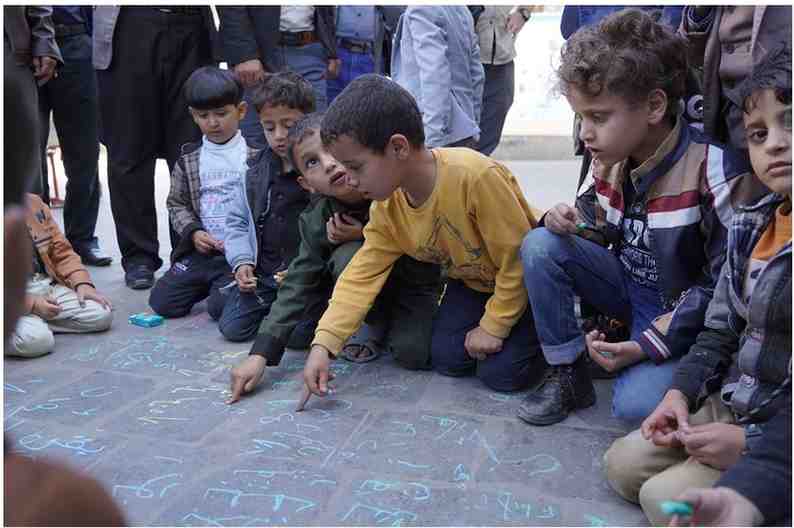
Imagine being nine years old, and suddenly you’re told that school will not reopen tomorrow. Not because of a holiday, but because the building is gone. The desks are buried under rubble. The playground is silent. The teacher who once greeted you every morning has fled with her own family.
For many children living through war, this marks the quiet collapse of something far bigger than a school day.
War not only destroys cities.
It dismantles the routines, relationships, and protections that make childhood a survival task rather than filling with.
This is why conversations about child rights in conflict zones matter so deeply. Protecting those rights means restoring the conditions that allow children to learn, feel safe, and imagine a future beyond the crisis surrounding them.
Why Children’s Rights Become Fragile During War
Children experience conflict differently from adults. When violence forces families to flee, and communities collapse, the institutions designed to protect children, schools, social services, and local support networks often disappear first.
As a result, children in war zones frequently face:
- disrupted education
- separation from family members
- loss of safe community spaces
- increased risk of exploitation
- long-term emotional trauma
Protecting children’s rights during conflict means rebuilding the structures that keep them safe, supported, and able to grow.
What Protecting Children’s Rights Actually Looks Like?
The phrase “children’s rights” often sounds legal or abstract. In conflict settings, it translates into practical actions that help children regain safety, stability, and opportunity.
Most humanitarian programs focus on three essential areas: safety, education, and emotional recovery.
1. Creating Safe Spaces for Children
Safety is the first step in protecting any child’s rights.
In displacement camps and conflict-affected communities, humanitarian organizations establish child-friendly spaces where children can gather under the supervision of trained caregivers. These spaces allow children to play, learn, and reconnect with peers in an environment designed to reduce risk.
Protection workers also identify children who may be vulnerable to:
- trafficking
- forced recruitment by armed groups
- exploitation or abuse
- family separation
By connecting these children with social workers and family support services, communities can intervene before long-term harm occurs. Safety may seem basic. But without it, no other right can be restored.
2. Reopening the Door to Education
When war shuts down schools, children lose more than academic learning. They lose routine, stability, and a sense of progress.
Temporary learning centers help restore that sense of normal life. Even when classrooms are set up in tents or community buildings, education provides structure during chaos.
Programs often include:
- temporary classrooms for displaced children
- teacher training in trauma-informed learning
- accelerated education for students who missed years of school
- books and learning materials for rebuilding classrooms
Education protects children in multiple ways. A child who returns to school is less vulnerable to exploitation, recruitment by armed groups, or early labor. More importantly, education helps children begin to imagine a future again.
3. Supporting Emotional Recovery
The impact of war is not always visible.
Children who witness violence or displacement often struggle with anxiety, sleep disruption, or difficulty concentrating. Without support, these experiences can shape how they grow into adulthood.
Psychosocial programs help children process trauma and rebuild confidence through:
- group counseling sessions
- play-based therapy activities
- peer support networks
- teacher training to recognize trauma symptoms
Healing does not erase what happened.
But it allows children to move forward with greater resilience.
How These Programs Work Together
Protecting children’s rights requires a coordinated approach combining safety, education, and emotional support.
| Protection Effort | Impact on Children |
| Safe child-friendly spaces | Provide stability and supervision |
| Temporary learning centers | Restore routine and education access |
| Psychosocial support programs | Help children process trauma |
| Family and community engagement | Strengthen long-term recovery |
Children recover faster when their families and communities regain stability. Many programs train local teachers, caregivers, and youth leaders to ensure children continue to have support long after the crisis fades.
How Does Your Support Make a Difference?
Rebuilding childhood after conflict requires cooperation between local communities and international supporters.
Many charity organizations in USA help fund programs that provide education access, child protection services, and emotional support for children living in conflict-affected regions. Contributions often support practical outcomes such as:
- reopening classrooms
- training teachers and counselors
- creating safe spaces for displaced children
- strengthening community protection networks
By supporting these initiatives, donors help transform uncertainty into opportunity, ensuring children can regain the routines, education, and emotional support that are their rights.
Closing Thoughts
If you’ve followed this far, you’ve likely seen how protecting children during conflict is not a single act of aid, it is a long-term investment in safety, learning, and recovery.
And when those systems begin to return, childhood begins to return with them.
Because when children regain safety, education, and support, their rights stop being distant promises. They become everyday realities.
And in communities shaped by war, restoring those realities may be one of the most powerful ways to rebuild the future.

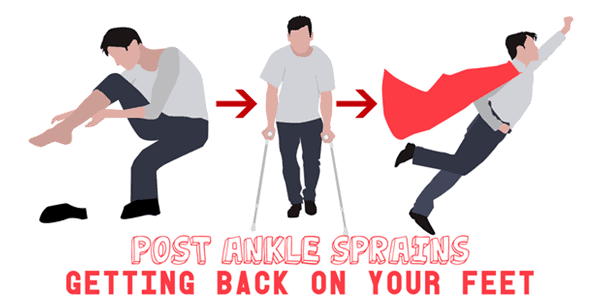
An ankle sprain happens when the ligaments around the joint stretch or tear, and it often follows a twist or awkward landing. You may notice swelling. Since the injury affects joint control, walking, balance, and sports movement typically become harder for a period of time. Here are some strategies to recover from an ankle sprain:
Reduce Swelling
In the first few days, swelling after an ankle sprain limits motion and increases discomfort, so early care focuses on calming the area. Rest the ankle. As too much activity may add stress, use a brace, wrap, or crutches if walking changes your gait.
Compression and elevation help manage fluid, and cold packs may reduce pain after activity. Use short sessions. When you apply ice, place a cloth between the pack and your skin.
A simple routine typically works well, and it helps you track how the ankle responds each day. Try these steps:
- Brief sessions of icing
- Light compression with an elastic wrap
- Increased elevation above heart level
Since swelling shifts through the day, check the ankle in the morning and evening.
Increase Range of Motion
Once swelling starts to drop, gentle movement helps the joint regain normal motion, and this stage often begins with small drills. Start with ankle circles. Since stiff tissue resists movement after injury, move slowly and stop before sharp pain.
You can also trace the alphabet with your foot, and towel stretches may help with calf tightness. Keep the motion smooth. When the ankle loosens, try pulling the toes up and down through a pain-limited range.
Strengthen Ankle
Strength work builds support around the joint, and it prepares the ankle for daily loads. Begin with isometric holds. Since these drills create muscle tension without joint movement, they fit well in early rehab.
Resistance band exercises add direction-specific work, and they target the muscles that control inward and outward motion. Sit with the leg supported. When you press the foot against the band, keep the knee still and the movement slow.
Calf raises, step-downs, and single-leg stands build strength for standing and walking, but they also expose weak control. Start on both feet. If swelling rises later in the day, reduce the number of repetitions at the next session.
Train for Sports
Sports demand speed, cutting, and landing control, so rehab must progress beyond basic strength. Add balance drills first. Since ankle sprains often disturb joint awareness, use a single-leg stance and work on firm ground before uneven surfaces. Later, include short hops, lateral shuffles, and planned direction changes, and keep the volume low at first. When the ankle handles these drills without added swelling, move toward sport-specific patterns such as sprint starts or controlled jumps.
Address an Ankle Sprain
Recovery follows a sequence, and each phase builds on the one before it. Stay consistent. As pain, swelling, and instability may signal a slower healing process, contact a licensed clinician if symptoms continue or worsen. If you need guidance, schedule an ankle evaluation and start a structured rehab plan. Bring your injury timeline. When you follow a clear progression, you give the ankle a better path back to daily activity and sport.

Many patients seek effective treatment for acne and related skin conditions; acne develops when pores become clogged with oil and bacteria. This leads to pimples, redness, and visible bumps on the skin. A dermatologist evaluates the condition and provides targeted treatment options to manage breakouts. Here is more information on innovative acne treatment methods:
Using Prescription Medications
Prescription medications are commonly used to treat persistent acne that does not respond to over-the-counter products. Dermatologists may recommend topical treatments that help unclog pores and reduce the buildup of oil and bacteria. Medications such as retinoids, including RetinA, help reduce inflammation within deeper layers of the skin. These options work together to improve overall skin clarity and reduce breakouts.
Oral antibiotics may be prescribed to address more widespread or stubborn acne. This acne treatment targets bacteria and helps reduce inflammation from within the body. Treatment plans are typically adjusted based on skin response and severity of symptoms. A dermatologist selects therapies that best match each patient’s specific condition.
Applying Topical Formulas
Topical treatments are commonly used to manage acne and improve skin clarity. Sulfur-based products help calm irritation and reduce excess oil on the skin’s surface. Tretinoin supports faster skin cell turnover, which helps prevent clogged pores. Dermatologists often select specific ingredients based on each patient’s skin condition.
Customized topical formulas may be recommended when over-the-counter products are not effective. These treatments are tailored to address individual skin concerns and acne severity. Stronger prescription options are available when standard therapies do not produce results. Dermatologists adjust treatment plans to support clearer and healthier skin outcomes.
Undergoing Laser Therapy
Laser therapy is a modern option used in dermatology clinics to improve acne-related skin concerns. While topical treatments help manage breakouts, laser technology targets deeper layers of the skin to improve texture and reduce scarring. The light energy encourages natural skin regeneration, which supports smoother and more even skin over time. Treatment sessions are typically completed in a short office visit, with results that can continue to improve for several months.
This approach is often used when patients want additional improvement beyond creams and medications. Laser treatment plans are customized based on skin type and acne severity. A consultation helps determine the most appropriate device and settings for each patient. Several key treatment features support this process:
- Uses targeted light energy to address deeper skin layers
- Helps reduce visible acne scarring over time
- Can improve uneven skin tone and texture
- Often performed in a clinical setting with minimal downtime
- Follow-up sessions may be scheduled based on the response
Choosing Specialized Procedures
Severe acne and cystic lesions often require advanced in-office treatments. Microdermabrasion helps remove surface buildup and improve overall skin texture. When deep cysts do not respond to topical medications, dermatologists may use targeted clinical procedures to address inflammation. Intralesional corticosteroid injections are able to be administered directly into larger nodules to reduce swelling and promote faster improvement.
Book Your Acne Treatment Now
Clear skin often benefits from professional evaluation and a structured treatment plan. A dermatologist reviews your skin history and current concerns to identify the most effective approach. Based on this assessment, a personalized regimen is created to address breakouts and improve skin health. A medical professional also provides guidance and answers questions throughout the process. Schedule an appointment today to begin your personalized skin care plan.
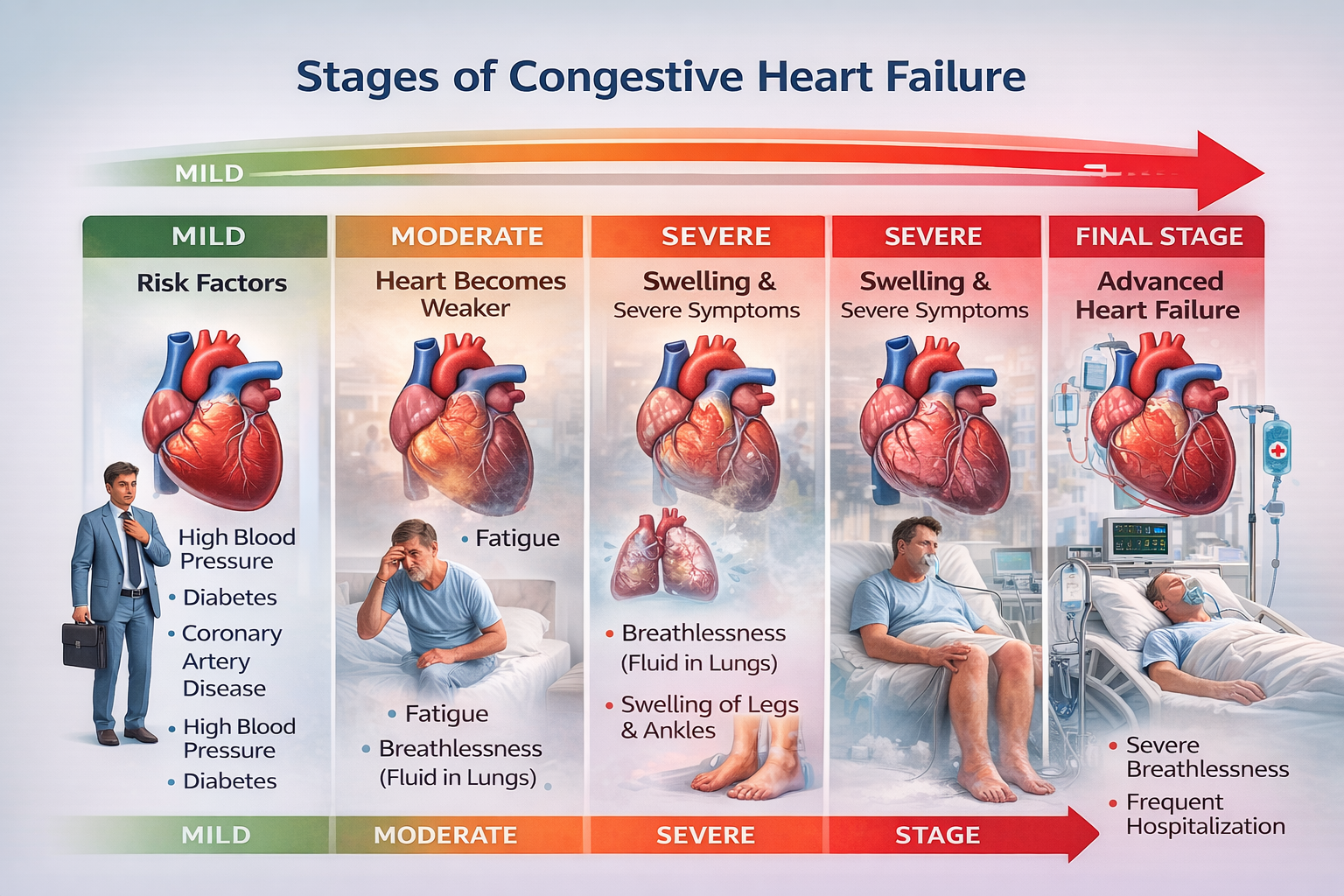
Congestive heart failure is a chronic condition where the heart is unable to pump blood as efficiently as it should. Over time, this can affect circulation, fluid balance, and physical function. Progression varies from person to person. Some experience gradual changes; others remain stable for periods before symptoms worsen. The rate of progression depends on factors such as the underlying cause, overall health, treatment, and individual response over time. Here’s more information about this condition and how it progresses:
Understanding the Basic Process
The heart works as a pump that sends blood to the lungs and the rest of the body. In congestive heart failure, the pumping action becomes less effective. Blood and fluid may back up, and the body stops receiving blood flow as efficiently as expected. The body often tries to adjust initially. It may do this by changing heart rate, blood vessel tension, or fluid retention.
These responses sometimes help for a period, but they also place additional strain on the heart. As that strain continues, symptoms and physical changes become more noticeable. This is why congestive heart failure is viewed as a progressive condition. The heart and body continue adapting, but those adjustments tend to become less effective over time.
Noticing Early Changes
Early progression can be mild and easy to overlook. Some people begin to notice shortness of breath with activity, reduced exercise tolerance, or mild swelling in the feet and ankles. Others may see weight changes linked to fluid retention or find that routine tasks require more time and effort.
These signs do not appear in a fixed order. Symptoms may remain limited for a long time; in other cases, changes become more clear over several months. Regular medical follow-up helps track these patterns and provides a useful baseline for future comparison. Imaging and lab work show how the heart is functioning. To help detect changes, doctors may also review:
- Blood pressure
- Heart rhythm
- Breathing patterns
- Fluid status
Monitoring Ongoing Progression
As congestive heart failure moves forward, symptoms may occur more frequently or with less activity. This includes shortness of breath appearing during simple movement, increased swelling, and more noticeable fluid buildup. Some people also develop a cough or have difficulty lying flat.
Changes in daily function are a key part of progression. A person who once managed stairs easily sometimes requires more breaks, and walking shorter distances may become more difficult. These changes help doctors assess how the condition is affecting physical capacity over time. Medical visits during this phase usually focus on symptom patterns, medication response, and signs of fluid overload. Tracking body weight and changes in breathing can also help identify shifts before they become more severe.
Recognizing Advanced Stages
In more advanced stages, symptoms become present during rest or with very limited activity. Fluid retention may involve the legs, abdomen, or lungs, and hospital care becomes more likely if symptoms suddenly worsen. Episodes of instability sometimes occur closer together and require more active monitoring. Doctors can also adjust treatment frequently; they review imaging results, kidney function, blood pressure, and oxygen levels to guide next steps. Some individuals require more structured follow-up or discussion of advanced treatment options.
Treatment aims to manage symptoms, improve daily function, and reduce strain on the heart. Plans may include:
- Self-monitoring
- Medication
- Sodium guidance
- Fluid monitoring
- Cardiac resynchronization therapy
Find Treatment for Congestive Heart Failure
Congestive heart failure progresses over time by placing ongoing strain on the heart and changing how the body handles blood flow and fluid. Early changes can be subtle, and later stages usually involve more frequent symptoms and closer monitoring. If you notice persistent changes in breathing, swelling, or daily function, schedule an appointment with a qualified healthcare provider.
-

 News5 months ago
5 Signs of a Silverfish Infestation You Should Never Ignore in Norway
-

 Travel5 months ago
What Makes a Good Travel Suitcase? Features That Matter Most
-

 Uncategorized5 months ago
The Future of Personalized Tutoring: Trends Transforming Global Education
-

 Home Improvement6 months ago
How to Find the Best Commercial Sod Supplier in Tampa
-

 Travel5 months ago
Why On Cloud is so Famous?
-

 Business5 months ago
Where to Find the Best Sauna Near Me in Tampa Right Now?
-

 Finance5 months ago
Planning Strategies for Securing Your Financial Independence
-

 Uncategorized5 months ago
Why Do Largo Professionals Choose Physician-Led Med Spas?