Blog
How To Avoid Theft or Vandalism in Parking Garages


Parking garages offer vehicle owners a secure place to store their cars while at work or running errands. Professional garages can provide better security than street parking, but vehicle safety is a shared responsibility between the garage and the owner. Taking proactive steps as a driver helps protect your car. Here are some tips for preventing theft and vandalism in parking garages:
Lock and Reinforce Your Vehicle
If your car has a built-in anti-theft system, make sure it is activated. This feature creates an electronic security barrier, and it may send alerts if someone attempts to tamper with the vehicle. Regularly check locks, doors, and alarm indicators to confirm they are working properly and to catch issues early. Keeping valuables out of sight or in a secured compartment, such as a trunk or cargo area, can reduce the risk of theft. Parking in garages with controlled access gates further enhances your vehicle’s safety.
Select Garages With Active Security
Parking garages that have active security measures help keep vehicles and property protected. The presence of on-site attendants who monitor activity, check parking passes, or address irregular behavior can discourage unauthorized access. Garages with controlled access points use attendants or self-service machines to verify permits or payments before admitting vehicles; this helps regulate entry. Clear signage and designated lanes guide traffic efficiently, reducing congestion and preventing potential accidents. Automated systems, such as license plate recognition, also support oversight.
Utilize Surveillance and Tracking Tools
Cameras scan vehicle plates at entry, cross-referencing them with authorized lists to admit only permitted cars. The system may also keep a recorded log of arrivals and departures. These logs assist with operational management and security audits, and they help reduce reliance on constant manual checks.
Security cameras provide continuous surveillance of entrances, exits, and high-traffic areas. They are placed throughout the parking garage, providing visual records of activity across the facility. Prominent camera placement may also function as a deterrent, indicating that the facility maintains an ongoing view of parked vehicles and circulation patterns.
Recorded footage provides a documented timeline of events within the garage. If an incident, such as vehicle damage or tampering, is reported, staff can review the time-stamped recordings to investigate. This helps them understand the sequence of activity before and after the event. It allows security personnel to establish factual context for incident reviews or, when necessary, follow up with authorities.
Choose Well-Lit, High-Traffic Garages
Bright lighting enhances visibility for both drivers and surveillance cameras, making it easier to monitor activity and reduce the risk of theft and vandalism. Lighting should be properly maintained to facilitate consistent coverage. Regularly checking fixtures and changing bulbs keeps corners and ramps well-lit, and it eliminates dark areas where incidents might go unnoticed.
Clear directional signage and marked lanes promote predictable traffic flow. Together with good lighting, they guide vehicles and pedestrians safely through the facility. High-visibility zones reinforced by functional lighting can strengthen the garage’s security, making people and vehicles easier to observe and helping staff notice unusual behavior quickly.
Inspect and Report Suspicious Activity
Some parking garages conduct routine inspections of vehicles, the facility, and the surrounding areas. This allows them to detect irregular activity early. Staff can look for signs of tampering, damage, or unusual behavior, and they’re able to check lighting and other equipment to confirm effective monitoring. Daily and weekly inspections help identify broken lights or malfunctioning fixtures before they create blind spots. Staff may document maintenance work and report any suspicious activity, keeping management informed of operational issues. These records also help track trends over time and highlight areas that need extra attention. A garage that actively inspects its premises contributes to maintaining high safety standards throughout the facility.
Use Safe Parking Garages
Professional parking garages offer dedicated staff and infrastructure to support the safety and proper management of vehicles. Monitoring systems, cameras, and lighting facilitate consistent protection while allowing staff to respond promptly to suspicious activity. Vehicles remain under a controlled setting, and this can improve safety and minimize the chances of unauthorized entry or damage. Choosing garages with active monitoring and structured safety measures allows drivers to focus on their activities. Find a facility that meets your needs and book a parking spot today.
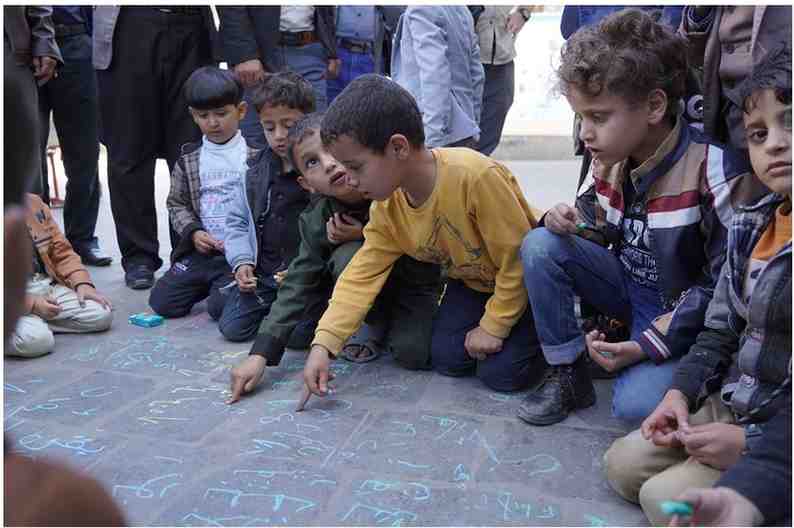
Imagine being nine years old, and suddenly you’re told that school will not reopen tomorrow. Not because of a holiday, but because the building is gone. The desks are buried under rubble. The playground is silent. The teacher who once greeted you every morning has fled with her own family.
For many children living through war, this marks the quiet collapse of something far bigger than a school day.
War not only destroys cities.
It dismantles the routines, relationships, and protections that make childhood a survival task rather than filling with.
This is why conversations about child rights in conflict zones matter so deeply. Protecting those rights means restoring the conditions that allow children to learn, feel safe, and imagine a future beyond the crisis surrounding them.
Why Children’s Rights Become Fragile During War
Children experience conflict differently from adults. When violence forces families to flee, and communities collapse, the institutions designed to protect children, schools, social services, and local support networks often disappear first.
As a result, children in war zones frequently face:
- disrupted education
- separation from family members
- loss of safe community spaces
- increased risk of exploitation
- long-term emotional trauma
Protecting children’s rights during conflict means rebuilding the structures that keep them safe, supported, and able to grow.
What Protecting Children’s Rights Actually Looks Like?
The phrase “children’s rights” often sounds legal or abstract. In conflict settings, it translates into practical actions that help children regain safety, stability, and opportunity.
Most humanitarian programs focus on three essential areas: safety, education, and emotional recovery.
1. Creating Safe Spaces for Children
Safety is the first step in protecting any child’s rights.
In displacement camps and conflict-affected communities, humanitarian organizations establish child-friendly spaces where children can gather under the supervision of trained caregivers. These spaces allow children to play, learn, and reconnect with peers in an environment designed to reduce risk.
Protection workers also identify children who may be vulnerable to:
- trafficking
- forced recruitment by armed groups
- exploitation or abuse
- family separation
By connecting these children with social workers and family support services, communities can intervene before long-term harm occurs. Safety may seem basic. But without it, no other right can be restored.
2. Reopening the Door to Education
When war shuts down schools, children lose more than academic learning. They lose routine, stability, and a sense of progress.
Temporary learning centers help restore that sense of normal life. Even when classrooms are set up in tents or community buildings, education provides structure during chaos.
Programs often include:
- temporary classrooms for displaced children
- teacher training in trauma-informed learning
- accelerated education for students who missed years of school
- books and learning materials for rebuilding classrooms
Education protects children in multiple ways. A child who returns to school is less vulnerable to exploitation, recruitment by armed groups, or early labor. More importantly, education helps children begin to imagine a future again.
3. Supporting Emotional Recovery
The impact of war is not always visible.
Children who witness violence or displacement often struggle with anxiety, sleep disruption, or difficulty concentrating. Without support, these experiences can shape how they grow into adulthood.
Psychosocial programs help children process trauma and rebuild confidence through:
- group counseling sessions
- play-based therapy activities
- peer support networks
- teacher training to recognize trauma symptoms
Healing does not erase what happened.
But it allows children to move forward with greater resilience.
How These Programs Work Together
Protecting children’s rights requires a coordinated approach combining safety, education, and emotional support.
| Protection Effort | Impact on Children |
| Safe child-friendly spaces | Provide stability and supervision |
| Temporary learning centers | Restore routine and education access |
| Psychosocial support programs | Help children process trauma |
| Family and community engagement | Strengthen long-term recovery |
Children recover faster when their families and communities regain stability. Many programs train local teachers, caregivers, and youth leaders to ensure children continue to have support long after the crisis fades.
How Does Your Support Make a Difference?
Rebuilding childhood after conflict requires cooperation between local communities and international supporters.
Many charity organizations in USA help fund programs that provide education access, child protection services, and emotional support for children living in conflict-affected regions. Contributions often support practical outcomes such as:
- reopening classrooms
- training teachers and counselors
- creating safe spaces for displaced children
- strengthening community protection networks
By supporting these initiatives, donors help transform uncertainty into opportunity, ensuring children can regain the routines, education, and emotional support that are their rights.
Closing Thoughts
If you’ve followed this far, you’ve likely seen how protecting children during conflict is not a single act of aid, it is a long-term investment in safety, learning, and recovery.
And when those systems begin to return, childhood begins to return with them.
Because when children regain safety, education, and support, their rights stop being distant promises. They become everyday realities.
And in communities shaped by war, restoring those realities may be one of the most powerful ways to rebuild the future.

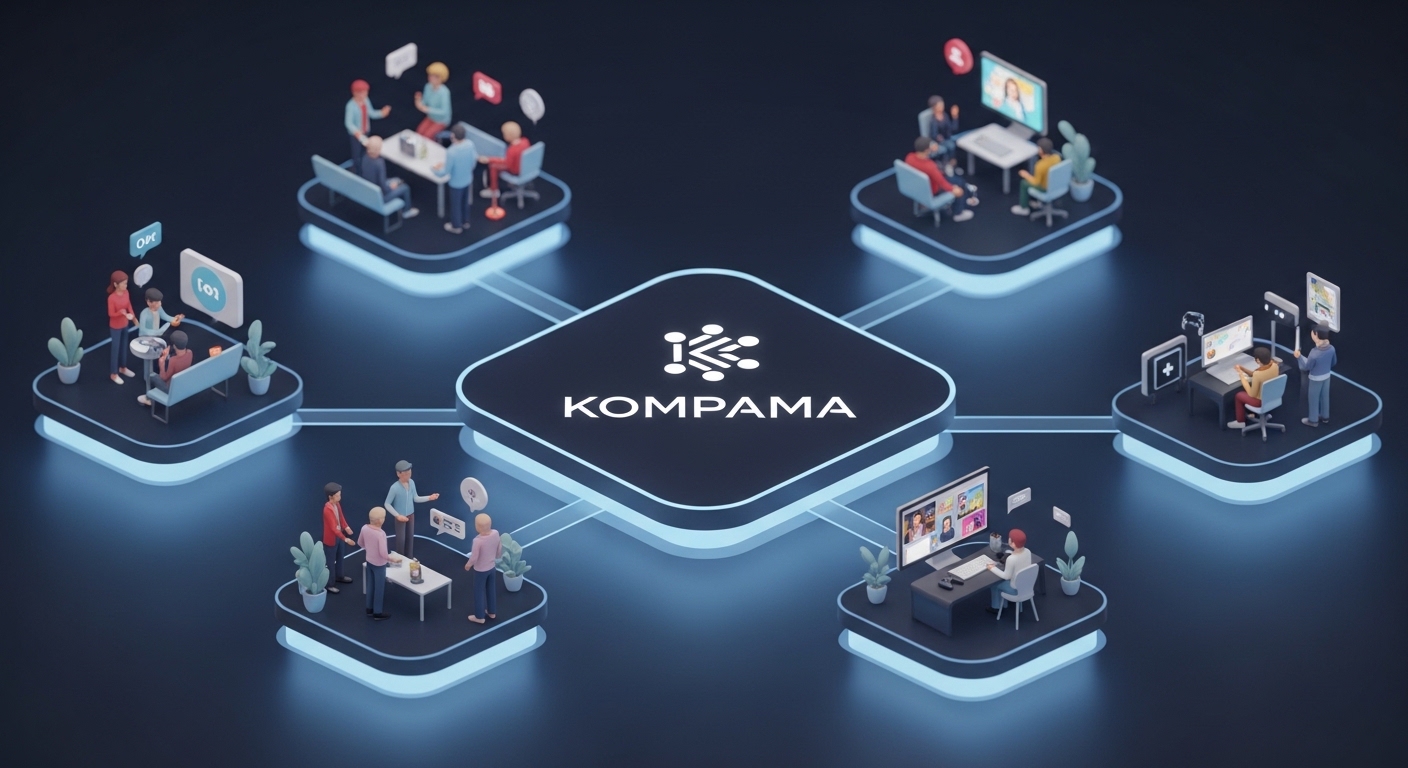
On a quiet evening, a small group of creators gathered in a virtual space that didn’t feel like the internet they were used to. There were no intrusive ads, no endless scrolling loops designed to trap attention, and no algorithm dictating what deserved visibility. Instead, the experience felt intentional, almost human. Conversations unfolded naturally, ideas were explored deeply, and every participant seemed present. That space was powered by Kompama, a platform that is steadily challenging long-held assumptions about how online communities should function.
In an era where digital interaction often feels fragmented and transactional, Kompama represents a shift toward something more meaningful. It is not just another social platform competing for attention. It is an ecosystem built around trust, collaboration, and purposeful engagement. For entrepreneurs, founders, and technology professionals, this evolution signals a broader transformation in how communities are created and sustained online.
The Changing Nature of Digital Communities
To understand why Kompama matters, it helps to reflect on how online communities have evolved. Early internet forums were simple but powerful. They thrived on shared interests and authentic discussions. Over time, however, the rise of large-scale social networks introduced a new dynamic. Engagement became quantified, content became optimized, and users gradually became products.
While these platforms offered scale, they often diluted depth. Communities became louder but not necessarily richer. For many users, especially professionals and creators, the experience started to feel hollow. Meaningful interaction was buried under noise.
Kompama enters this landscape with a different philosophy. Instead of maximizing time spent, it focuses on maximizing value exchanged. This distinction may seem subtle, but it has far-reaching implications.
What Is Kompama?
Kompama is a community-first digital platform designed to foster genuine interaction, knowledge sharing, and collaborative growth. It combines elements of social networking, professional collaboration, and content ecosystems into a unified experience.
What sets Kompama apart is its emphasis on intentional design. Every feature is built to support meaningful engagement rather than passive consumption. Users are not just participants; they are contributors to a living, evolving community.
At its core, Kompama is structured around three foundational principles:
First, it prioritizes quality over quantity. Conversations are encouraged to be thoughtful rather than frequent.
Second, it values ownership. Users have greater control over their content, identity, and interactions.
Third, it promotes trust. Transparency and accountability are embedded into the platform’s architecture.
These principles are not just philosophical. They are reflected in how the platform operates on a daily basis.
A Platform Designed for Depth
One of the most noticeable aspects of Kompama is its resistance to superficial engagement. Unlike traditional social networks, where quick reactions dominate, Kompama encourages users to engage in longer, more substantive discussions.
This approach changes user behavior. Instead of chasing likes or impressions, individuals focus on sharing insights, asking thoughtful questions, and building relationships. Over time, this creates a culture that feels more like a professional roundtable than a public broadcast.
For entrepreneurs, this environment is particularly valuable. It allows for deeper conversations about strategy, innovation, and real-world challenges. Ideas are not just shared; they are refined through dialogue.
The Role of Technology in Shaping Experience
Behind Kompama’s user experience lies a carefully crafted technological framework. While many platforms rely heavily on opaque algorithms, Kompama takes a more transparent approach. Content visibility is influenced by relevance and contribution quality rather than engagement metrics alone. This reduces the incentive to create sensational or click-driven content.
Additionally, Kompama leverages intelligent moderation tools that balance automation with human oversight. This ensures that discussions remain respectful and constructive without stifling freedom of expression.
The platform also integrates collaborative tools that allow users to co-create content, host discussions, and build shared knowledge repositories. These features transform the platform from a passive space into an active workspace.
Real-World Relevance for Founders and Creators
For founders and creators, Kompama offers a compelling alternative to traditional digital channels. Building a community has become an essential part of modern business strategy, but doing so effectively is increasingly difficult.
On conventional platforms, visibility often depends on algorithmic favor rather than value. This creates uncertainty and limits long-term sustainability. Kompama addresses this challenge by providing a more stable and predictable environment. Communities can grow organically based on shared interests and consistent contribution.
For startups, this means access to a more engaged audience. For creators, it means the ability to build deeper relationships with their audience. And for professionals, it means a space where expertise is recognized and valued.
A Comparison of Traditional Platforms and Kompama
To better understand Kompama’s positioning, it is useful to compare it with traditional digital platforms.
| Aspect | Traditional Platforms | Kompama |
|---|---|---|
| Engagement Model | Driven by likes, shares, and clicks | Driven by meaningful interaction |
| Content Visibility | Algorithm-heavy, often opaque | Transparent and relevance-based |
| User Role | Primarily consumers | Active contributors |
| Community Depth | Broad but often shallow | Focused and in-depth |
| Monetization | Ad-driven | Value-driven ecosystems |
| Content Ownership | Limited user control | Enhanced user ownership |
This comparison highlights a fundamental shift. Kompama is not trying to replicate existing models. It is redefining them.
The Psychology Behind Meaningful Interaction
What makes Kompama particularly interesting is how it aligns with human psychology. People naturally seek connection, recognition, and purpose. However, many digital platforms exploit these needs rather than fulfill them.
Kompama takes a different approach by creating conditions where these needs are genuinely met. Recognition comes from contribution, not popularity. Connection comes from shared understanding, not proximity. Purpose emerges from participation, not consumption.
This alignment leads to higher-quality engagement. Users are more likely to invest time and energy because they perceive real value in doing so.
Challenges and Considerations
No platform is without challenges, and Kompama is no exception. Building a community-focused ecosystem requires careful balance. Too much structure can limit creativity, while too little can lead to chaos. Scalability is another consideration. Maintaining depth while growing the user base is a complex task. As more users join, preserving the platform’s core values becomes increasingly important.
There is also the question of adoption. Convincing users to shift away from established platforms requires a clear value proposition and consistent experience. However, these challenges are not unique to Kompama. They are inherent in any effort to redefine an existing paradigm. What matters is how they are addressed over time.
The Broader Implications for the Digital Economy
Kompama’s emergence reflects a broader trend in the digital economy. Users are becoming more discerning about how they spend their time online. There is a growing demand for platforms that offer substance rather than distraction.
This shift has implications beyond community building. It affects how businesses market their products, how creators distribute their content, and how professionals build their networks. In many ways, Kompama represents a move toward a more sustainable digital ecosystem. For investors and industry observers, this trend is worth watching.
A New Model for Digital Trust
Trust is one of the most valuable currencies in the digital world, yet it is often in short supply. Data privacy concerns, misinformation, and algorithmic bias have eroded user confidence in many platforms. Kompama addresses this issue by embedding trust into its design. Transparency, accountability, and user control are not optional features; they are foundational elements.
This approach has the potential to reshape user expectations. As more people experience platforms that prioritize trust, they may become less tolerant of those that do not. For businesses operating within Kompama, this creates an opportunity to build stronger, more authentic relationships with their audience.
Looking Ahead
Users are seeking more meaningful interactions, greater control, and a stronger sense of belonging. Kompama is positioned at the intersection of these trends. It is not just responding to change; it is helping to drive it.
Whether it becomes a dominant platform or remains a niche ecosystem, its influence is likely to extend beyond its user base. It challenges assumptions, introduces new possibilities, and sets a higher standard for what online communities can be.
Conclusion
Kompama is more than a platform. It is a reflection of a changing digital landscape where depth matters more than scale and quality outweighs quantity. By focusing on meaningful interaction, user ownership, and trust, it offers a compelling vision for the future of online communities.
For entrepreneurs, founders, and technology professionals, this shift presents both an opportunity and a challenge. The opportunity lies in building more authentic and engaged communities. The challenge lies in adapting to a model that values substance over speed.
As the digital world continues to evolve, platforms like Kompama remind us that technology is not just about connection. It is about the quality of those connections and the value they create.
Language has always been one of humanity’s most powerful tools. It shapes identity, preserves memory, and carries the echoes of generations. Every now and then, a word appears that sparks curiosity, inviting people to explore its origins and deeper significance. In recent conversations across digital spaces and cultural discussions, the term Uncuymaza has emerged as one such intriguing expression.
For entrepreneurs, creators, and technology professionals who constantly engage with evolving ideas and global conversations, unfamiliar terms often represent more than vocabulary. They hint at new narratives, cultural intersections, or emerging concepts. Uncuymaza, while still relatively obscure, has begun attracting attention because it seems to sit at the intersection of culture, language, and modern interpretation.
Understanding a term like this requires more than a dictionary definition. It involves examining context, possible linguistic influences, and the broader environment in which the word appears. When viewed through that lens, Uncuymaza becomes a fascinating case study of how language evolves in the digital age.
The Rise of Mysterious Words in the Digital Era
The internet has accelerated the creation and spread of new terminology. Words that once might have remained within a small cultural or regional circle can now travel globally in a matter of hours. Social media discussions, niche communities, and emerging cultural trends often introduce expressions that spark curiosity.
In that environment, words like Uncuymaza can gain traction even before their meaning becomes universally agreed upon. Entrepreneurs and tech founders frequently encounter similar phenomena when new industry jargon suddenly appears in startup circles or online forums.
This dynamic highlights a broader shift in how language develops. Instead of evolving slowly over decades, modern terminology can emerge from collaborative digital conversations, blending linguistic traditions with contemporary interpretation.
Possible Linguistic Origins of Uncuymaza
Tracing the roots of a unique term can be challenging, especially when the word has not yet been widely documented in academic linguistic sources. However, examining its structure provides some clues. The phonetic structure of Uncuymaza suggests influences that may come from multiple linguistic traditions. Many analysts note that the rhythm and vowel patterns resemble elements found in certain indigenous or regional languages, particularly those where multi-syllabic words carry symbolic meaning.
In many traditional cultures, words are often formed from smaller elements that represent concepts such as nature, identity, or community. When combined, these fragments create expressions that convey layered meanings rather than simple definitions. Although a universally accepted etymology has not yet emerged, discussions surrounding Uncuymaza often focus on its possible cultural symbolism and interpretive flexibility.
Cultural Interpretation and Symbolism
Language is rarely just about grammar or vocabulary. It is also about meaning, context, and shared understanding. Words gain emotional and cultural weight as communities adopt and reinterpret them over time.
In cultural discussions, Uncuymaza is sometimes described as a term representing connection or transformation. These interpretations vary widely, but they often share a common theme: the idea that language can capture experiences that are difficult to define directly.
Across many cultures, unique words exist specifically to express complex ideas. Some languages contain terms that describe emotions, natural phenomena, or social relationships that do not easily translate into other languages. Within that tradition, Uncuymaza may function as a symbolic word rather than a strictly literal one. Its meaning could depend heavily on how people use it in conversation, storytelling, or creative expression.
Why Words Like Uncuymaza Matter in Modern Conversations
For entrepreneurs and innovators, language plays a surprisingly important role in shaping ideas. Many successful companies have been built around concepts that were initially expressed through unique or unfamiliar terminology.
Consider how words such as “blockchain,” “metaverse,” or “crowdfunding” once sounded unfamiliar before becoming part of everyday business vocabulary. Each of those terms started as a niche concept before gaining broader recognition.
Similarly, emerging expressions like Uncuymaza can become part of cultural or intellectual discourse if they resonate with people. Even when the precise meaning is still evolving, the curiosity surrounding such words encourages exploration and dialogue. For leaders in technology and creative industries, this process highlights an important lesson. Language does not merely describe innovation; it often drives it.
The Role of Storytelling in Defining Meaning
Stories shape how societies understand new ideas. When a word begins to appear in narratives, essays, or discussions, its meaning gradually becomes clearer through context. If writers, artists, or digital communities begin using Uncuymaza in stories, the word’s significance will likely evolve organically. Over time, repeated usage creates patterns that help define its cultural role.
This process is similar to how slang or cultural phrases develop. A word may begin as a curiosity but eventually gain depth through collective interpretation. For content creators and founders who build brands around narratives, this phenomenon is particularly relevant. The words used to describe a vision can influence how audiences understand and engage with that vision.
The Intersection of Language and Identity
Language often reflects identity, especially in communities seeking to preserve cultural heritage. Words that carry unique phonetic structures sometimes originate in regional dialects or indigenous traditions.
If Uncuymaza has roots in a cultural or linguistic tradition, its significance could extend beyond simple curiosity. It may represent a small piece of a larger cultural story that deserves exploration and respect.
In the digital era, there is growing interest in rediscovering and preserving linguistic heritage. Online platforms allow communities to share vocabulary, stories, and traditions that might otherwise fade over time. In this context, even a single word can become a gateway to deeper cultural understanding.
The Business Perspective: Why Entrepreneurs Pay Attention to Language
Business leaders may not immediately think about linguistics when building companies, but language plays a powerful strategic role. Naming products, defining ideas, and communicating vision all depend on carefully chosen words.
Unique terms can become memorable brand elements. Many startups deliberately create distinctive words to represent their mission or technology.
The emergence of words like Uncuymaza demonstrates how curiosity around language can spark engagement. When people encounter something unfamiliar, they naturally want to explore it further.
This principle is often used in branding and storytelling. A compelling name or phrase can capture attention and create lasting recognition.
Interpreting Uncuymaza in a Broader Context
While the exact definition of Uncuymaza may still be open to interpretation, examining its potential meanings offers valuable insight into how language evolves.
Several themes appear consistently in discussions about the term. These themes include transformation, cultural identity, and the blending of traditional and modern perspectives.
The table below highlights possible interpretive dimensions often associated with the word.
| Dimension | Possible Interpretation | Relevance |
|---|---|---|
| Cultural | Connection to heritage or storytelling | Reflects community identity |
| Linguistic | Composite word with symbolic elements | Demonstrates language evolution |
| Conceptual | Represents transformation or growth | Relevant to creative and entrepreneurial thinking |
| Digital Context | Emerges through online discussion | Shows influence of internet culture |
These interpretations remain exploratory rather than definitive. However, they illustrate how a single term can carry multiple layers of meaning depending on context.
Language Evolution in the Age of Global Connectivity
One of the most remarkable aspects of modern communication is how quickly ideas spread across cultures. Words that originate in one region can be adopted, adapted, and reinterpreted by communities worldwide. Digital platforms have accelerated this process dramatically. A new expression can appear in a niche discussion forum and soon become part of broader conversations across industries.
Uncuymaza represents this type of linguistic evolution. Its growing presence in discussions reflects how global connectivity allows people to explore language in new ways. For founders and innovators who operate in international markets, understanding these shifts is valuable. Language trends often mirror cultural and technological changes happening beneath the surface.
The Human Curiosity Behind Unusual Words
There is something deeply human about curiosity toward unfamiliar words. When people encounter a term they have never heard before, their instinct is to ask questions. That curiosity fuels learning and exploration. It encourages individuals to look beyond their immediate knowledge and engage with new perspectives.
In many ways, Uncuymaza serves as an example of how language can inspire curiosity. Even without a universally accepted definition, the discussion surrounding the word invites deeper reflection on culture, communication, and meaning.
The Future of Words Like Uncuymaza
Predicting the future of any word is difficult. Some expressions disappear quickly after brief popularity, while others become permanent additions to language. If Uncuymaza continues to appear in discussions, creative writing, or cultural analysis, its meaning may gradually stabilize. Writers, researchers, and storytellers could shape its interpretation through repeated use.
The digital age makes this process especially dynamic. Online communities often act as collaborative authors of language itself. For entrepreneurs and technology leaders, this evolution offers an important reminder. Communication is never static. Words adapt alongside the ideas they represent.
Conclusion
The story of Uncuymaza illustrates how language remains one of humanity’s most dynamic creations. A single unfamiliar word can spark curiosity, conversation, and exploration across cultures and industries.
While its exact meaning may still be evolving, the discussions surrounding Uncuymaza highlight a deeper truth about communication. Words gain significance not only from their origins but also from the people who use them and the stories they help tell.
In an interconnected world where ideas travel quickly and cultures interact constantly, language continues to evolve in fascinating ways. Terms like Uncuymaza remind us that even in a technology-driven era, the human desire to explore meaning, identity, and expression remains as strong as ever.
As entrepreneurs, creators, and thinkers navigate the future, paying attention to language may reveal insights that go far beyond vocabulary. Sometimes, a single mysterious word can open the door to an entirely new conversation.
-

 Uncategorized2 months ago
Pакитовица: The Future Of Balkan Escape for Tourists
-

 Technology3 weeks ago
Snapjotz com: The Fastest Way to Capture and Organize Digital Notes
-
 Technology3 months ago
Newtopy: The Future of Digital Innovation
-

 Lifestyle3 months ago
Who is Brandy Quaid? Growing Up in a Hollywood Acting Dynasty
-

 Blog3 months ago
Araachell: Elevate Your Wardrobe with Modern Classics
-

 Business3 weeks ago
Bynethi com: Transform Your Business Workflow with Scalable Solutions
-

 Lifestyle3 months ago
Daylin Ryder: Elevating Collegiate Athletics Media Presence
-

 Business3 months ago
Eschopper: The Best Electric Mopeds for Urban Commuting