
Uncategorized
Recognizing the Uncommon Symptoms of Endometriosis

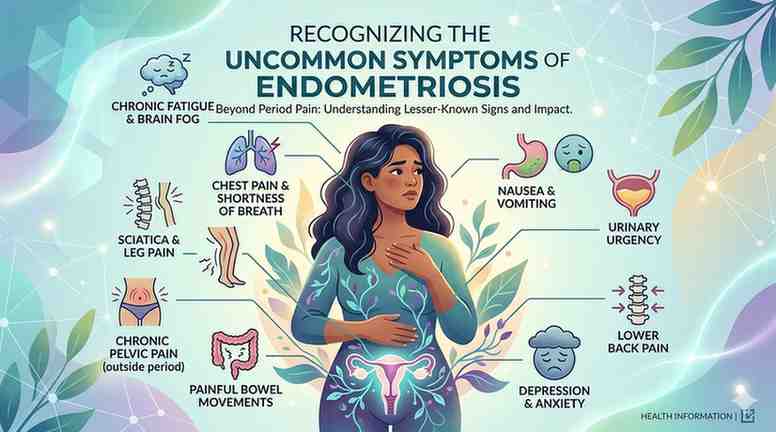
Silent endometriosis occurs when endometrial-like tissue grows outside the uterus without causing the typical symptoms, such as heavy menstrual bleeding or severe pelvic pain. Despite the absence of obvious discomfort, this condition triggers a hidden inflammatory process that can remain undetected for years. Some uncommon symptoms of endometriosis to be aware of include:
Cyclical Digestive Issues
Digestive symptoms often resemble common gastrointestinal issues like irritable bowel syndrome in individuals with silent endometriosis. Bloating, diarrhea, or constipation often coincide with menstrual periods. The condition may go undiagnosed for years while the tissue continues to grow outside the uterus.
These gastrointestinal changes are sometimes dismissed as normal menstrual discomfort, yet the underlying tissue growth affects reproductive health. Diet adjustments may provide temporary relief, but they do not address the source of the symptoms. Persistent digestive fluctuations alongside menstrual cycles often indicate the presence of endometrial-like tissue outside the uterus, which in some cases is associated with infertility.
Intermittent Pelvic Discomfort
Pelvic discomfort appears as a mild or intermittent sensation; some individuals experience constant pressure, while others notice aches that come and go without a predictable pattern. These subtle sensations often go unrecognized. Discomfort occurs during specific phases of the menstrual cycle or appears at random. Standard imaging, such as ultrasounds, often shows normal results despite these signs. Tracking these irregular sensations helps identify the presence of endometrial-like tissue outside the uterus. Biological markers persist in the body even during symptom-free periods, and specialized assessments evaluate how the condition affects reproductive function rather than relying solely on acute pain.
Recurrent Bladder Pain
Recurrent bladder pain resembles the sensations of a urinary tract infection, yet no bacteria are present. Patients report persistent pressure or a localized ache across the bladder region. Intensity often changes throughout the menstrual cycle, appearing stronger during certain phases; this discomfort results from the growth of endometrial-like tissue on or near the bladder surface, which triggers localized inflammation and irritation.
Inflammation produces a frequent and urgent need to urinate, often disrupting daily activities and sleep. The pain returns repeatedly over weeks or months, and many individuals postpone seeking a specialized evaluation, which can affect fertility treatments such as IVF. When bladder discomfort occurs alongside spotting, fatigue, or other subtle menstrual symptoms, it signals a systemic inflammatory process involving reproductive tissues.
Identifying these inflammatory signs early allows medical professionals to address the underlying tissue growth rather than focusing solely on temporary urinary relief. Treatments, including hormone therapy or surgical removal of misplaced tissue, aim to reduce inflammation, protect reproductive function, and improve overall pelvic health. Continuous monitoring and targeted interventions help patients manage symptoms and maintain long-term reproductive wellness.
Bleeding Between Cycles
Bleeding between cycles is among the uncommon symptoms of endometriosis. This irregular bleeding reflects hormonal disruptions or ongoing inflammation in the uterine environment. Several biological changes accompany this menstrual irregularity:
- Uterine lining destabilization
- Progesterone response resistance
- Hidden lesions
- Embryo implantation failure
Uterine lining destabilization occurs when endometrial-like tissue grows outside its normal location. This instability leads to small amounts of blood being shed outside the regular menstrual period, resulting in noticeable spotting. Bleeding of this type indicates a broader disruption in the body’s ability to maintain the uterine lining consistently.
Progesterone response resistance affects how the lining reacts to hormonal signals, which contributes to irregular shedding and minor bleeding episodes. Hidden lesions pose diagnostic challenges because the spotting may be attributed to ovulation, stress, or other benign causes. These lesions shed internally, producing byproducts that trigger inflammation and cause the uterus to bleed unpredictably. These changes illustrate how subtle menstrual irregularities signal the presence of endometrial-like tissue outside the uterus.
Unexplained Infertility Issues
Unexplained infertility occurs in individuals who show no other obvious signs of silent endometriosis. Inflammatory changes in the reproductive environment interfere with the uterus’s ability to support implantation, even when ovulation and a partner’s sperm count appear normal. This creates a receptivity issue, making pregnancy less likely despite regular attempts. Many couples remain in repeated testing cycles that produce no clear answers. The molecular changes involved take place at the cellular level, acting as a hidden barrier that standard physical exams cannot reveal. Medical providers are able to administer testing, like a BCL6 test, to identify protein markers associated with inflammation and endometriosis.
Explore Uncommon Symptoms of Endometriosis
Silent endometriosis involves a biological barrier marked by a protein that signals inflammation in the uterine lining. Elevated levels of this protein indicate an ongoing inflammatory state in the body. Contact a reputable women’s health provider to learn more about the services and support they provide.

Whales: Giants of the Ocean
Whales are among the largest and most remarkable animals on Earth. These marine mammals live in oceans around the world, from warm tropical waters to the cold seas surrounding the poles.
Life Beneath the Surface
Although whales spend their lives in water, they breathe air through blowholes located on top of their heads. They must regularly return to the surface to breathe before diving again in search of food or traveling through the ocean.
Whales are warm-blooded, give birth to live young, and nurse their calves with milk. A thick layer of fat called blubber helps protect them from cold water and stores energy during long migrations.
Two Main Groups
Whales are generally divided into baleen whales and toothed whales. Baleen whales filter small animals from the water using flexible plates inside their mouths. This group includes blue whales, humpback whales, and gray whales.
Toothed whales use teeth to catch fish, squid, and other prey. Many of them also use echolocation, producing sounds and listening for returning echoes to understand their surroundings. Sperm whales, belugas, and orcas belong to this group.
The Blue Whale
The blue whale is the largest known animal to have ever lived. An adult can grow longer than a city bus and weigh well over one hundred tonnes. Despite its enormous size, it feeds mainly on tiny crustaceans called krill.
Communication and Migration
Whales communicate using clicks, whistles, pulses, and complex songs. Some sounds can travel across great distances underwater. Humpback whales are especially famous for their long, patterned songs.
Many species migrate thousands of kilometres each year. They often feed in cold, nutrient-rich waters before traveling to warmer regions where they mate and give birth.
Protecting Whales
Commercial hunting once caused severe declines in many whale populations. Today, whales also face threats from fishing gear, ship collisions, underwater noise, pollution, and changes to ocean ecosystems.
Conservation programs, safer fishing practices, protected habitats, and international cooperation can help whale populations recover. Protecting whales also supports healthier oceans because these animals play an important role in marine food webs and nutrient cycles.
-
 News9 months ago
5 Signs of a Silverfish Infestation You Should Never Ignore in Norway
-

 Finance8 months ago
Planning Strategies for Securing Your Financial Independence
-

 Finance8 months ago
Scaling Without Spilling: How Fast Growth Stays Accountable
-

 Uncategorized8 months ago
The Future of Personalized Tutoring: Trends Transforming Global Education
-

 Real Estate5 months ago
Careers Huntington WV: How to Launch a Real Estate Career in 2026
-

 Uncategorized7 months ago
Why Clutches Are a Go-To Option for Evening Events
-

 Uncategorized6 months ago
Healthy Aging at Home: Daily Habits That Make the Biggest Difference
-

 Life style3 months ago
The Untold Story of Joanna Sturm’s Family