
Home Improvement
Sell My House for Cash in Raleigh: Is It the Right Choice?


Selling a home is one of the biggest financial decisions most people will ever make. In Raleigh, North Carolina, where the housing market is thriving thanks to steady job growth, a booming tech sector, and an influx of new residents, homeowners have more options than ever when it comes to selling. One increasingly popular choice is selling a house for cash. But is this the right move for you? Let’s explore the benefits, drawbacks, and key considerations to help you decide.
What Does It Mean to Sell for Cash?
When you hear the phrase sell my house for cash in Raleigh, it doesn’t necessarily mean someone will show up with a suitcase full of money. Instead, it refers to buyers—often investors or companies—who purchase homes without relying on traditional mortgage financing. These buyers use their own funds, which allows the transaction to move much faster than a conventional sale.
The Benefits of Selling for Cash
1. Speed of Sale
One of the biggest advantages of selling for cash is speed. Traditional home sales can take weeks or even months, depending on inspections, appraisals, and mortgage approvals. Cash buyers can often close in as little as 7–14 days. For Raleigh homeowners who need to relocate quickly or settle financial obligations, this speed is invaluable.
2. No Repairs Needed
Cash buyers typically purchase homes “as‑is.” That means you don’t have to spend time or money fixing up the property before selling. If your Raleigh home needs updates or repairs, selling for cash can save you thousands in renovation costs.
3. Certainty and Convenience
Traditional buyers sometimes back out due to financing issues or inspection concerns. Cash sales eliminate many of these uncertainties. Once you accept an offer, you can feel confident the deal will close. This convenience is especially appealing for homeowners juggling busy schedules in Raleigh’s fast‑paced environment.
4. Avoiding Fees and Commissions
Selling through a real estate agent often involves paying commissions of 5–6% of the sale price. Cash buyers may allow you to bypass these fees, keeping more money in your pocket.
Potential Drawbacks
While selling for cash has clear benefits, it’s not always the best choice for every homeowner.
- Lower Offers: Cash buyers are often investors looking for deals. Their offers may be below market value compared to what you could get through a traditional sale.
- Less Exposure: Listing your home on the open market exposes it to more buyers, potentially driving up the price. Selling for cash limits your pool of interested parties.
- Scams and Unreliable Buyers: Not all cash buyers are reputable. It’s important to research companies or individuals thoroughly before agreeing to a deal.
When Selling for Cash Makes Sense
Selling for cash can be the right choice in specific situations:
- Facing Foreclosure: If you’re at risk of foreclosure, a quick cash sale can help you avoid damaging your credit.
- Inherited Property: If you’ve inherited a home in Raleigh and don’t want the hassle of maintaining or renovating it, selling for cash is a simple solution.
- Relocation: Job changes or family needs may require you to move quickly. Cash sales eliminate delays.
- Financial Strain: Homeowners dealing with debt or unexpected expenses may benefit from the fast payout of a cash sale.
Tips for Raleigh Homeowners Considering Cash Sales
- Research Buyers: Look for established companies with positive reviews and a track record in Raleigh.
- Compare Offers: Don’t accept the first offer you receive. Get multiple quotes to ensure you’re getting a fair deal.
- Understand the Contract: Read the fine print carefully. Make sure there are no hidden fees or unfavorable terms.
- Consult a Professional: Even if you’re selling for cash, consider speaking with a real estate attorney to protect your interests.
Balancing Speed and Value
Ultimately, the decision to sell for cash comes down to your priorities. If speed, convenience, and certainty are most important, selling for cash may be the right choice. If maximizing profit is your goal, listing your home traditionally might yield better results. Raleigh’s housing market is strong, so homeowners have flexibility in choosing the path that best fits their needs.
Final Thoughts
Selling a home is never one‑size‑fits‑all. For some Raleigh homeowners, the ability to quickly sell my house for cash in Raleigh is the perfect solution—especially during times of transition or financial stress. For others, taking the traditional route may bring higher returns. By weighing the pros and cons, researching buyers, and aligning your decision with your personal circumstances, you can make the choice that’s right for you.

Learn how to evaluate drafts, condensation, operation, glazing performance, and overall condition before deciding whether replacement is worth the cost.
Windows play a major role in comfort, energy performance, ventilation, and the appearance of a home. Over time, however, seals can deteriorate, frames can become harder to operate, and older glazing may no longer perform as well as current options.
For homeowners in Montréal, deciding whether to replace windows can be difficult because age alone does not always determine whether replacement is necessary.
A better approach is to evaluate how the windows are performing, whether problems are recurring, and whether repairs still make financial sense. Looking at condition, comfort, energy performance, and installation quality together can help homeowners make a more informed decision.
Start With the Problems You Can See and Feel
Some of the clearest signs that a window may need attention are noticeable during normal use.
These can include:
- Persistent drafts around the frame
- Difficulty opening, closing, or locking the window
- Condensation between panes
- Visible frame deterioration
- Damaged seals or weatherstripping
- Water staining around the opening
- Noticeable temperature differences near the window
One issue on its own does not automatically mean that full replacement is required.
For example, worn weatherstripping may be repairable, while condensation trapped between sealed panes can indicate a problem within the glazing unit itself.
The key is to determine whether the issue is isolated and repairable or part of a broader decline in performance.
Consider Comfort Throughout the Year
Montréal’s seasonal temperature changes can make window performance particularly noticeable.
A room that feels consistently colder near the windows during winter or excessively warm from solar gain during summer may point to limitations in the existing glazing, seals, or frame system.
Drafts are another useful indicator. Air leakage can affect comfort even when the glass itself appears to be in acceptable condition.
Before replacing windows, homeowners should consider whether comfort issues are limited to one opening or occurring throughout the property.
People comparing windows Montreal options should review the entire window system, including frame material, glazing, seals, energy performance, and installation requirements rather than focusing on one specification alone.
Look at Glazing and Energy Performance
Modern window systems may offer several glazing configurations and energy-efficiency features.
Homeowners can encounter terms such as:
- Double glazing
- Triple glazing
- Low-E coatings
- Argon-filled units
- ENERGY STAR certification
- Insulated frames
The right combination depends on the property, window orientation, budget, and performance goals.
Triple glazing, for example, may provide additional insulating value in some applications, but it should not automatically be treated as necessary for every window.
Similarly, a high-performance glazing package cannot compensate for poor installation or significant gaps around the frame.
The most useful comparison is therefore based on the complete installed system, not a single feature.
Compare Frame Materials Carefully
Frame material can influence durability, appearance, maintenance, cost, and thermal performance.
Common options may include vinyl, aluminum, and hybrid systems that combine materials.
Vinyl is often selected for its relatively low maintenance requirements and insulating characteristics. Aluminum may appeal to homeowners looking for strength, narrower profiles, or a particular architectural appearance. Hybrid systems can combine different characteristics depending on their design.
Rather than assuming one material is suitable for every property, consider:
- Exposure to weather
- Window size
- Desired appearance
- Maintenance expectations
- Budget
- Energy-performance goals
For older Montréal properties, architectural fit may also be an important part of the decision.
Understand the Full Project Cost
The cost of replacing windows involves more than the price of the units themselves.
A complete project can include:
- Window manufacturing
- Removal of existing units
- Installation
- Insulation and air sealing
- Interior or exterior finishing
- Trim
- Disposal
- Hardware
- Custom sizing
This is why two quotes that appear to cover the same number of windows may differ substantially.
Homeowners should ask each company to clearly identify what is included so the estimates can be compared on an equivalent basis.
A lower quote does not necessarily represent better value if important installation or finishing work is excluded.
Pay Close Attention to Installation Quality
A well-made window still depends on proper installation.
Accurate measurements, appropriate insulation, air sealing, drainage, and integration with the surrounding wall all contribute to how the finished window performs.
Before selecting a provider, homeowners can ask:
- Who will complete the installation?
- What preparation is included?
- How will gaps around the frame be insulated and sealed?
- What interior and exterior finishing is included?
- What warranty applies to the product?
- Is installation covered separately?
These questions help clarify whether the quote represents a complete project or simply the supply of the window itself.
Know When Repair May Still Make Sense
Not every older window needs to be replaced immediately.
Repairs may still be appropriate when problems are limited to hardware, weatherstripping, screens, or another serviceable component.
Replacement becomes easier to justify when several issues occur together, such as deteriorating frames, failed sealed units, recurring drafts, difficult operation, and poor overall performance.
The decision should be based on condition, repair cost, expected remaining service life, and the homeowner’s longer-term plans for the property.
Make the Decision Based on Long-Term Fit
Window replacement is a significant home improvement, so the lowest initial price should not be the only consideration.
A practical decision balances comfort, durability, energy performance, maintenance, installation quality, appearance, and total project cost.
Homeowners should begin by identifying the problems with their existing windows, then compare replacement options based on how well they address those specific concerns.
Taking that approach makes it easier to determine whether replacement is justified and which combination of materials and performance features fits the property.
The objective is not simply to buy new windows. It is to choose a system that fits the building, the budget, and the homeowner’s long-term expectations.
Additional Resources
For homeowners comparing frame materials, durability, and design options, review this additional resource on aluminum windows and how they may fit within a residential window replacement project.

Winter comfort depends on more than simply turning up the thermostat. Modern heating technology now gives homeowners smarter, more energy-efficient ways to maintain warmth while controlling utility costs and improving indoor comfort. From advanced thermostats to zoning systems and preventative maintenance, today’s heating solutions focus on long-term efficiency rather than short-term fixes.
Install a Smart Thermostat for Better Temperature Control
Smart thermostats have changed how homeowners manage indoor heating. These devices automatically adjust temperatures based on daily routines, occupancy, and weather conditions, helping reduce unnecessary energy use without sacrificing comfort.
Many smart thermostats allow remote control through mobile apps, making it easy to manage settings while away from home. Some systems can even learn users’ habits over time and create automated schedules to improve efficiency. According to estimates from the energy industry, properly programmed smart thermostats can reduce heating costs by up to 10% annually.
For homes with inconsistent heating patterns, combining a smart thermostat with professional heating service support ensures the entire system operates efficiently and responds correctly to changing winter demands.
Upgrade to a High-Efficiency Furnace
Older furnaces often waste energy due to outdated components and lower efficiency ratings. Modern high-efficiency furnaces use advanced heat exchangers, variable-speed motors, and improved airflow systems to deliver more consistent heating while consuming less fuel.
When shopping for a new furnace, homeowners should pay attention to the AFUE rating (Annual Fuel Utilization Efficiency). Many newer systems achieve efficiency levels above 90%, significantly reducing long-term heating costs compared to older units operating at 60–70% efficiency.
Use Zoned Heating Systems for Greater Efficiency
Not every room in a house needs the same amount of heat at the same time. Zoned heating systems solve this problem by dividing the home into separate heating areas, each controlled independently.
This approach allows homeowners to reduce heating in unused rooms while maintaining comfort in occupied spaces. Multi-story homes especially benefit from zoning because upper floors often retain heat differently than lower levels.
Zoning systems can work with ducted HVAC setups, radiant floor heating, or ductless mini-split systems. Beyond energy savings, zoning improves comfort by eliminating hot and cold spots that commonly occur during winter months.
Key Benefits of Zoned Heating:
- Reduced energy waste
- More personalized comfort settings
- Better temperature consistency
- Lower monthly heating costs
- Reduced strain on the heating system
Schedule Preventive Heating Maintenance
Regular maintenance remains one of the most effective ways to improve heating system reliability during winter. Small issues such as dirty filters, worn components, or airflow restrictions can reduce efficiency and increase the risk of unexpected breakdowns.
Professional inspections typically include:
- Cleaning internal components
- Checking burners and heat exchangers
- Testing thermostat accuracy
- Inspecting airflow and duct systems
- Verifying safety controls
Routine heating service appointments can also help extend equipment lifespan and identify problems before they require costly repairs. Preventive maintenance is particularly important before the peak winter months, when heating systems operate under heavier loads.
Improve Home Insulation to Reduce Heat Loss
Even the best heating system struggles when warm air constantly escapes through poorly insulated walls, windows, or attic spaces. Proper insulation acts as a barrier, keeping heated air inside while reducing strain on the furnace or heat pump.
Homeowners should pay close attention to:
- Attic insulation
- Window sealing
- Door weatherstripping
- Crawl spaces and basements
- Duct insulation
Studies consistently show that improving insulation can significantly reduce heating expenses while increasing indoor comfort. In colder climates, insulation upgrades often deliver one of the highest returns on investment among energy-efficiency improvements.
Consider Heat Pumps for Energy-Efficient Heating
Modern heat pumps are becoming increasingly popular because they provide both heating and cooling in a single system. Unlike traditional furnaces that generate heat, heat pumps transfer heat from outdoor air into the home, making them highly energy efficient.
Cold-climate heat pumps have improved dramatically in recent years and can now perform effectively even in freezing temperatures. They are particularly attractive for homeowners seeking environmentally friendly heating options with lower operating costs.
Benefits of heat pumps include:
- Lower energy consumption
- Dual heating and cooling functionality
- Reduced carbon footprint
- Quiet operation
- Improved humidity control
While installation costs may be higher initially, many homeowners recover those expenses through long-term energy savings and available energy-efficiency incentives.
Use Radiant Heating for Consistent Warmth
Radiant heating systems warm surfaces directly rather than simply heating the surrounding air. This creates more even, comfortable warmth throughout a room and eliminates the drafts often associated with forced-air systems.
Radiant floor heating is especially popular in bathrooms, kitchens, and basements, where tile or concrete floors can feel cold during winter. These systems operate quietly and often improve overall indoor comfort because heat rises naturally from the floor upward.
Replace Dirty Air Filters Regularly
One of the simplest yet most overlooked heating solutions is regular air filter replacement. Dirty filters restrict airflow, forcing heating systems to work harder and reducing overall efficiency.
Replacing filters every one to three months helps:
- Improve airflow
- Maintain consistent heating
- Reduce dust and allergens
- Protect internal HVAC components
- Lower energy consumption
Homeowners with pets, allergies, or high indoor dust levels may need to change filters more frequently during the winter months, when heating systems run continuously.
FAQs
How often should a home heating system be serviced?
Most heating systems should receive professional maintenance at least once a year, ideally before winter begins. Regular servicing helps improve efficiency, reduce the risk of breakdowns, and extend equipment lifespan.
Are smart thermostats really worth the investment?
Yes. Smart thermostats help reduce unnecessary energy use by automatically adjusting temperatures based on schedules and occupancy, which can lower heating costs over time.
What is the most energy-efficient home heating option?
Heat pumps and high-efficiency furnaces are among the most energy-efficient heating options currently available for residential homes, depending on climate conditions and home design.
Can insulation improvements lower heating bills?
Absolutely. Proper insulation reduces heat loss, helping heating systems work more efficiently and lowering monthly energy expenses during winter.
Conclusion
Keeping a home warm during winter no longer depends solely on increasing thermostat settings or relying on outdated heating equipment. Smart heating solutions such as high-efficiency furnaces, smart thermostats, zoning systems, heat pumps, and preventative maintenance offer more effective ways to improve comfort while reducing long-term energy costs. Small upgrades, such as insulation improvements and regular filter replacements, can also make a noticeable difference in system performance and indoor warmth. By combining modern technology with proactive maintenance, homeowners can create a heating system that remains reliable, energy-efficient, and comfortable throughout the coldest months of the year.
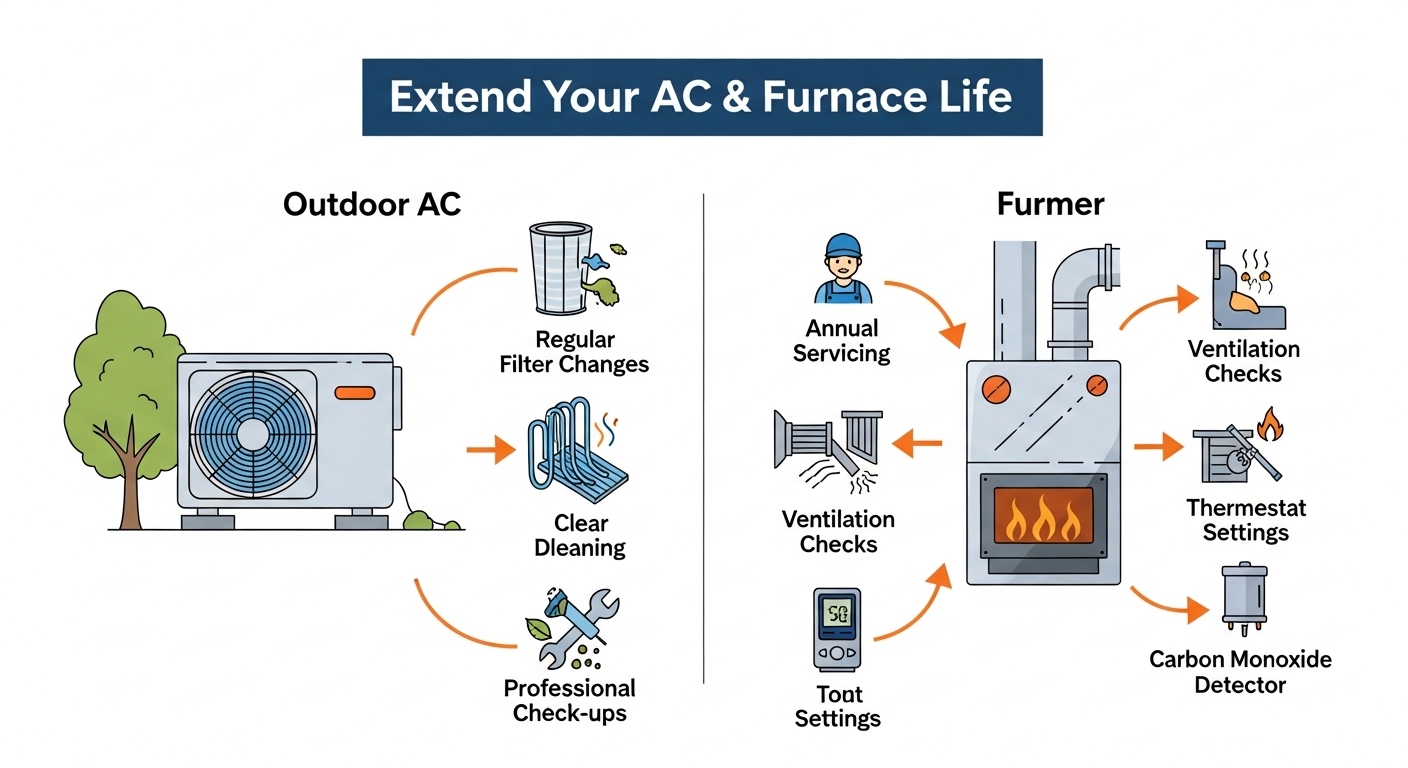
Maintaining a comfortable home environment is about more than just setting the thermostat to a specific number. It involves a delicate balance of airflow, moisture control, and mechanical efficiency. For many homeowners in South Jersey, the shifting humidity of summer and the biting chill of winter put a significant strain on residential systems. When these systems aren’t functioning at their peak, you may notice rising energy bills or a decline in air freshness. If you find yourself struggling with inconsistent temperatures, consulting a professional HVAC company in Harrison Twp, NJ can provide the technical insights needed to restore your home’s balance. Proper upkeep not only ensures your comfort but also protects the long-term value of your property.
The Link Between Filtration and Air Quality
Most people think of air filters solely as a way to keep dust off their furniture, but their primary job is to protect the internal components of your heating and cooling system. When a filter becomes clogged with dander, pollen, and debris, the blower motor has to work twice as hard to move air through the house. This extra effort leads to overheating and premature mechanical failure.
To maintain high air quality, it is recommended to check your filters every 30 days. If you have pets or live in an area with high pollen counts, you might need to replace them more frequently. Upgrading to a filter with a higher MERV (Minimum Efficiency Reporting Value) rating can trap smaller particles, though you should always ensure your specific system can handle the increased air resistance.
Managing Humidity for Year-Round Comfort
Humidity plays a silent but powerful role in how temperature feels. During the summer, high humidity makes the air feel heavy and prevents your skin from cooling naturally, often leading people to crank down the AC unnecessarily. In the winter, dry air can cause itchy skin, static electricity, and even damage to wooden flooring or furniture.
Integrating a whole-home dehumidifier or humidifier can bridge this gap. By keeping indoor humidity levels between 30% and 50%, you can feel warmer in the winter at lower temperatures and cooler in the summer at higher settings. This adjustment reduces the workload on your primary equipment. If you aren’t sure which solution fits your home’s square footage, a qualified HVAC company in Harrison Twp, NJ can perform a home assessment to identify the best localized solutions for your climate.
Sealing the Envelope: Drafts and Insulation
You can have the most advanced furnace in the world, but if your home is “leaking” air, you are essentially throwing money out the window. The “building envelope” refers to the barrier between your conditioned indoor air and the outside elements. Common culprits for energy loss include gaps around window frames, worn-out weatherstripping on doors, and insufficient attic insulation.
- Check the Attic: Heat rises. If your attic isn’t properly insulated, your expensive warmth is escaping through the roof in the winter.
- Inspect the Ductwork: Leaky ducts in unconditioned spaces like crawlspaces or basements can lose up to 30% of their airflow before it ever reaches your living room.
- Seal the Thresholds: Replacing a worn door sweep is a five-minute DIY task that can significantly reduce floor-level drafts.
The Role of Smart Thermostats in Efficiency
The days of manually adjusting the dial every time you leave the house are over. Smart thermostats have revolutionized home maintenance by learning your habits and adjusting temperatures automatically. These devices can detect when you are away and shift into an energy-saving mode, then begin cooling or heating the home just before you arrive.
Beyond simple scheduling, many smart units provide energy reports that show exactly when and where you are consuming the most power. This data allows you to make informed decisions about your home’s energy use, helping you spot trends that might indicate a mechanical issue before it becomes a total breakdown.
Seasonal Maintenance: The Preventive Approach
The most effective way to avoid a mid-summer breakdown is to schedule preventive maintenance. A professional technician can spot small issues—like a fraying belt, a leaking refrigerant line, or a failing capacitor—before they cause the entire system to seize.
A standard seasonal tune-up usually includes cleaning the condenser coils, checking electrical connections, and lubricating moving parts. This not only extends the lifespan of the equipment but also ensures that it operates at the highest possible SEER (Seasonal Energy Efficiency Ratio) rating, keeping your monthly utility costs as low as possible.
Conclusion
Improving your home’s efficiency and air quality is an ongoing process of small, deliberate actions. From changing a simple air filter to investing in smart technology and proper insulation, every step contributes to a healthier living environment and a lower carbon footprint. While DIY tasks go a long way, partnering with experts for annual inspections ensures your home remains a sanctuary of comfort through every South Jersey season.
-

 News9 months ago
5 Signs of a Silverfish Infestation You Should Never Ignore in Norway
-

 Finance8 months ago
Planning Strategies for Securing Your Financial Independence
-

 Finance8 months ago
Scaling Without Spilling: How Fast Growth Stays Accountable
-

 Uncategorized8 months ago
The Future of Personalized Tutoring: Trends Transforming Global Education
-

 Real Estate5 months ago
Careers Huntington WV: How to Launch a Real Estate Career in 2026
-

 Uncategorized7 months ago
Why Clutches Are a Go-To Option for Evening Events
-

 Uncategorized6 months ago
Healthy Aging at Home: Daily Habits That Make the Biggest Difference
-

 Life style3 months ago
The Untold Story of Joanna Sturm’s Family