
Business
The Retrospective HCC Coding Priority Ranking System That Doubles Incremental Capture


Your retrospective HCC coding program reviews charts chronologically. Charts are coded in the order they arrive. Every chart gets the same treatment. First in, first coded.
This seems fair and organized. But you’re wasting significant coding resources on charts with minimal incremental HCC opportunity while delayed-priority charts with substantial opportunity sit in queue.
Most organizations don’t prioritize retrospective charts strategically. They process them sequentially or randomly. Organizations that implement intelligent priority ranking double their incremental HCC capture without adding coders.
Here’s how to build a priority ranking system that focuses coding resources where they create maximum value.
The Medication Signal Prioritization
Pharmacy data is the most underutilized signal for retrospective HCC coding prioritization. Members on specific medications almost certainly have conditions that should be coded.
Member taking Eliquis or Xarelto without documented atrial fibrillation: High priority. The medication strongly suggests afib that should be captured.
Member taking multiple COPD medications (Spiriva, Symbicort, albuterol) without documented COPD or with COPD documented without appropriate severity: High priority.
Member on insulin or multiple diabetes medications without complications documented: High priority. The medication complexity suggests complications exist.
Member taking no medications or only generic medications for well-documented conditions: Low priority. Limited incremental opportunity.
Organizations that prioritize retrospective coding based on medication signals report 40-60% higher incremental HCC capture rates compared to chronological processing. The medication patterns identify members where documentation gaps are most likely.
The Specialist Utilization Pattern
Specialist visit patterns reveal coding opportunities. Members seeing specialists should have the conditions specialists treat.
Member with three cardiology visits but no CHF, arrhythmia, or coronary artery disease coded: High priority. Cardiology utilization without documented cardiac conditions suggests coding gaps.
Member with quarterly nephrology visits but CKD documented without staging or complications: High priority.
Member with annual dermatology visits and no concerning diagnoses: Low priority.
Organizations that prioritize based on specialist utilization patterns report finding substantial documentation gaps. Primary care providers often don’t document conditions specialists are actively managing.
The Hospital Discharge Opportunity
Hospital discharges consistently offer the highest incremental HCC opportunities per chart. Acute hospitalizations for chronic disease exacerbations create documentation of severity and complications that outpatient visits don’t capture.
Member hospitalized for CHF exacerbation: Highest priority. Hospital documentation typically includes ejection fraction, functional status, and detailed management that outpatient notes lack.
Member hospitalized for COPD exacerbation: Highest priority. Hospital documentation includes severity indicators rarely captured outpatient.
Member hospitalized for elective procedure without complications: Low priority.
Organizations that fast-track hospital discharge coding report 2-3x higher incremental HCC yield per chart compared to outpatient wellness visits.
The Gap Analysis Scoring
Build a simple scoring model identifying members most likely to have documentation gaps:
High clinical complexity without corresponding HCC capture: Score +5 points. Member has 15 active medications, sees five specialists, has emergency department visits, but RAF score below 1.0 suggests massive under-documentation.
Prior year HCC that disappeared without clinical explanation: Score +3 points. Member had diabetic nephropathy coded last year but only diabetes this year. Either condition resolved (unlikely) or documentation gap exists (likely).
New high-cost medications without corresponding diagnoses: Score +3 points. Member started Entresto (expensive CHF medication) but no CHF coded suggests documentation gap.
Members scoring 8+ points get priority retrospective review. Members scoring 0-3 points get deferred or skipped.
The Provider Documentation Quality Filter
Not all providers document with equal completeness. Provider-specific retrospective priority adjustment improves efficiency.
Dr. Martinez consistently documents completely. Her charts rarely yield incremental HCCs. Priority score: -2 points.
Dr. Johnson consistently under-documents. His charts frequently yield multiple incremental HCCs. Priority score: +3 points.
Organizations that adjust retrospective priority based on provider documentation patterns report 30-40% improvement in coder productivity by focusing on providers where review creates value.
The Encounter Type Value Weighting
Not all encounter types have equal retrospective value.
Annual wellness visits: Medium-high priority. Comprehensive reviews where multiple conditions should be documented.
Specialist consultations: High priority. Specialists document condition-specific detail primary care might miss.
Urgent care sick visits: Low priority. Focused on acute issues, chronic conditions rarely documented.
Telehealth brief check-ins: Lowest priority. Limited documentation, minimal incremental opportunity.
Organizations that weight encounter types report 50% reduction in low-value chart review time.
The Timing-Based Urgency
Current year encounters need priority over prior year encounters. Incremental HCCs captured for current year impact this year’s revenue. Prior year encounters are historical learning only.
Encounters from current year (January-August): Highest timing priority. Must be coded before submission deadline.
Encounters from prior year: Lowest timing priority. No revenue impact, only quality improvement value.
Organizations that strictly prioritize current year encounters report eliminating backlog problems and meeting submission deadlines reliably.
What Actually Works for Retrospective HCC Coding
Implementing intelligent priority ranking requires building a systematic scoring model.
Award priority points for: medication signals suggesting undocumented conditions (+3), specialist utilization without corresponding diagnoses (+3), hospital discharges (+4), high clinical complexity with low RAF scores (+5), prior year HCCs that disappeared (+3), high-value encounter types (+2), poor provider documentation history (+3), current year timing (+3).
Process charts in priority score order. Charts scoring 12+ points get immediate review. Charts scoring 5-11 get queued for review. Charts scoring 0-4 get deferred or skipped.
Organizations implementing priority ranking systems report doubling incremental HCC capture without adding coders. The improvement comes from focusing coding resources on charts where review creates value.
If your retrospective HCC coding program processes charts chronologically or randomly without priority ranking, you’re coding thousands of low-value charts while high-value opportunities sit in queue. Build a priority ranking system that focuses resources where they create maximum incremental HCC capture. The efficiency gain is immediate and substantial.

A practical guide to comparing authenticity, building condition, neighbourhood fit, and long-term ownership costs before buying
Exposed brick, oversized windows, high ceilings, and open layouts can make a Toronto loft memorable from the first viewing. But architectural character is only one part of a sound purchase decision.
For buyers who want a distinctive urban home, the challenge is balancing design appeal with practical questions about the building, monthly costs, location, and long-term livability. Evaluating those details before becoming attached to a particular unit can make it easier to choose a loft that works beyond the initial impression.
Confirm What Kind of Loft You Are Actually Buying
Not every property marketed as a loft has the same history or construction.
A hard loft generally begins as an industrial, commercial, or institutional building that has been converted into residential space. Original brick, timber, concrete, factory windows, exposed mechanical elements, and irregular layouts may reflect the building’s previous use.
A soft loft, by comparison, is usually purpose-built as residential housing but incorporates loft-inspired design elements such as higher ceilings, open layouts, concrete finishes, or exposed ductwork. Neither type is automatically the better choice. They simply offer different ownership experiences.
Buyers reviewing Lofts for sale Toronto can use property resources such as Toronto Condo Team’s loft listings and building information to compare examples across the city. Its loft resource identifies both hard and soft loft categories and features buildings in neighbourhoods including Queen West, King West, Carlaw Avenue, and the waterfront.
Review the Building as Carefully as the Unit
A renovated kitchen or dramatic living room can dominate a showing, but condominium buyers also need to understand the financial and physical condition of the building.
For resale condos in Ontario, the status certificate is an important source of information. The Condominium Authority of Ontario explains that it can contain the corporation’s declaration, bylaws and rules, current budget, audited financial statements, reserve fund information, and details relating to the specific unit.
That matters because owners collectively pay for major common-element repairs over time. Older converted buildings may have components with very different maintenance histories from newer purpose-built condos.
Before committing, buyers should have the relevant condominium documents reviewed by an appropriate professional and understand whether major repairs or financial pressures are visible.
Review the building before focusing on finishes. Character can be renovated or decorated around; the financial condition of a condominium corporation is a larger issue.
Look Beyond the Monthly Condo Fee
A lower maintenance fee may appear attractive, but it should not be viewed in isolation.
Canada Mortgage and Housing Corporation notes that condo fees can contribute to maintenance of common elements, insurance, utilities, services, amenities, and the building’s reserve fund. Buyers should determine exactly what is and is not included rather than comparing monthly figures alone.
CMHC also advises condo buyers to consider recurring expenses such as property taxes, unit insurance, utilities, parking or storage charges, and maintenance costs inside the unit.
For loft buyers, this broader calculation can be particularly useful. Large windows, high ceilings, open spaces, older building systems, parking arrangements, or individually metered utilities may affect day-to-day costs differently from one building to another.
Test the Neighbourhood Against Your Real Routine
A loft can suit your design preferences while its location works poorly for your daily life.
Toronto loft buildings appear across neighbourhoods with very different characteristics. A buyer working downtown may prioritize transit and walking time, while someone working remotely may care more about daytime noise, nearby services, natural light, or space for a home office.
Visit the area outside the scheduled showing. Walk the surrounding blocks during a weekday morning, evening, and weekend when possible. Pay attention to traffic, nightlife, construction activity, grocery access, transit, cycling routes, and how the immediate streets feel after business hours.
The objective is not to find a universally ideal neighbourhood. It is to determine whether the location supports how you actually expect to use the property.
Decide Whether the Layout Works After the Visual Impact Fades
Open-concept space can feel flexible, but it can also create practical challenges.
Before buying, consider where furniture will go, whether there is enough closed storage, how private the sleeping area feels, and whether sound carries easily through the unit. Buyers who work from home should consider whether there is a realistic workspace rather than assuming open square footage will automatically solve the problem.
CMHC recommends that resale condo buyers investigate less visible factors such as noise transmission and understand condominium rules and restrictions before purchasing.
Try mentally living through an ordinary day in the unit. Where does outerwear go? Can two people work or relax without competing for the same open space? Is the bedroom sufficiently separated? Where will bulky items be stored?
Test the layout against everyday life, not just the viewing experience.
Buy the Loft That Still Makes Sense on Paper
Toronto lofts can offer architectural details and layouts that are difficult to reproduce in conventional condominiums. That character is part of their appeal, but it should complement rather than replace due diligence.
Confirm what type of loft you are considering, review the condominium documents, calculate ongoing costs, assess the neighbourhood, and test the layout against your actual routine. A distinctive home becomes a stronger purchase when its practical details hold up as well as its design.
Additional Resources
Buyers researching different buildings, neighbourhoods, and available Toronto Lofts can use Toronto Condo Team’s loft resource as one reference point when comparing properties.


Renovating a home or preparing to move out can be exciting, but both situations usually leave behind a considerable amount of cleaning. Fine construction dust, paint marks, debris and accumulated dirt can take hours to remove properly.
At Govico, we provide professional post renovation cleaning and move out cleaning in Singapore for HDB flats, condominiums, landed homes, offices and commercial properties. Our experienced cleaning teams handle the demanding work so that your property is clean and ready for occupation or handover.
Professional Post Renovation Cleaning
A newly renovated property may look finished, but renovation work often leaves behind layers of fine dust and construction residue.
Our post renovation cleaning service is designed specifically for this situation. Unlike normal housekeeping, it focuses on the dirt and residue associated with renovation works. This can include cement residue, paint marks, adhesive, dust on fittings and surfaces, and debris left behind by contractors.
Fine renovation dust can settle almost everywhere, including floors, cabinets, shelves, windows, ledges, doors and hard-to-reach corners. Simply sweeping or mopping the property may redistribute the dust rather than remove it effectively.
Govico’s team carries out a systematic clean to prepare the property for moving in. For larger landed properties or heavily renovated premises, we can deploy an appropriate cleaning crew and professional equipment to tackle the job efficiently.
Move Out Cleaning for a Smooth Handover
Moving home involves packing, arranging transportation and dealing with countless last-minute tasks. Cleaning an entire property after furniture and belongings have been removed can easily become another major job.
Our professional move out cleaning service helps tenants, homeowners and landlords prepare properties for inspection and handover.
Once a property has been emptied, previously hidden areas often become visible. Dust may have accumulated behind furniture, stains may be present on floors, and kitchens and bathrooms can require considerable attention.
Govico can carry out a thorough cleaning of the property, covering key areas such as floors, kitchens, bathrooms, windows, cabinets and other accessible surfaces.
For tenants, professional move out cleaning can also help present the property in a clean and well-maintained condition during the final inspection.
Add Deep Cleaning Services Where Needed
Every property is different. Some homes require more than general post renovation cleaning or move out cleaning.
Govico can coordinate additional services depending on the condition of the property. These may include curtain cleaning, sofa cleaning, mattress cleaning, carpet cleaning and other specialised cleaning work.
This gives customers the convenience of arranging multiple cleaning requirements through one professional cleaning company instead of coordinating several different service providers.
Why Choose Govico?
Govico has experience handling cleaning projects ranging from apartments and condominiums to large multi-storey landed homes, offices and commercial premises.
We understand that post renovation and moving out jobs are often time-sensitive. Renovation handovers, tenancy inspections and moving dates usually operate on fixed schedules, so having a dependable cleaning team is important.
Whether you have just completed a major renovation or are preparing to return the keys to your landlord, Govico is ready to help.
Looking for professional post renovation cleaning or move out cleaning in Singapore? Contact Govico today for a quotation and let our experienced cleaning team prepare your property for its next chapter.
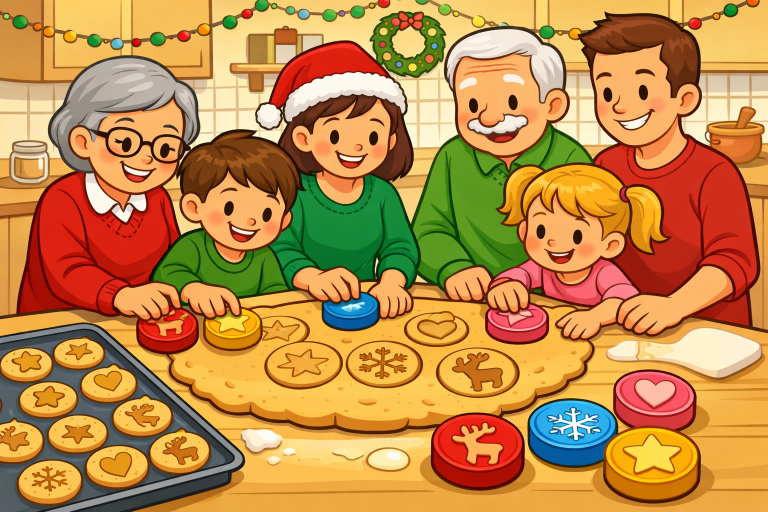
The magic of the holiday season often starts in the kitchen. Family and friends gather to craft homemade cookies, filling the house with comforting aromas and creating memories to last a lifetime. Using creative tools like cookie press elevates your traditional baking by adding intricate patterns and personal flair to each batch. These charming tools turn simple dough into edible masterpieces, making every cookie a reflection of your holiday spirit.
Cookie stamps aren’t just about appearance; they bring joy to the process. Whether you’re a seasoned baker or new to decorating, pressing festive designs into fresh dough turns baking into a special activity. This simple practice makes it easy to create visually stunning cookies with minimal hassle, letting you focus on enjoying time with loved ones and building delightful traditions.
Part of the wonder of using cookie stamps is in their wide range of patterns, from reindeer to snowflakes, stars, and personalized greetings. Many families cherish these designs year after year, linking each batch to fond memories of holidays past. The stamps also make it fun for children to join in, letting them help imprint cookies destined for Santa or the holiday table.
Choosing and using the right cookie stamps is all about expressing creativity and tradition. Whether you want classic wooden motifs or modern silicone options, there’s a cookie stamp for every style and occasion. As you learn more about their history, uses, and gift-giving ideas, you will see how cookie stamps can become a beloved part of your celebrations, bringing both beauty and meaning to your holiday treats.
History of Cookie Stamps
Cookie stamps have a fascinating history that stretches back centuries. Ancient bakers in regions such as Scandinavia, Central Europe, and the Middle East fashioned carved wooden molds to decorate their breads and sweets, often using these stamps to mark special occasions or religious events. Over time, the tradition of stamping intricate patterns into dough evolved, with each culture developing its own motifs, from snowflakes and flowers to hearts and animals.
In Scandinavian countries, stamped cookies were especially common during Christmas, where generations passed down cherished stamps and techniques. These decorative tools symbolized both artistry and family heritage, and continue to play an important role in holiday baking today. The appeal of stamped cookies endures, offering a blend of nostalgia, creativity, and cultural tradition that resonates worldwide.
Choosing the Right Cookie Stamps
Deciding which cookie stamps to add to your kitchen toolkit comes down to three key considerations: material, design, and size.
- Material: The most common materials are wood, metal, and silicone. Wooden stamps have a classic feel and showcase craftsmanship, though they require gentle hand cleaning. Metal stamps, like cast aluminum, deliver durability and crisp patterns, while silicone stamps are easy to clean and less likely to stick to dough.
- Design: Stamps come in a huge variety of patterns. Classic holiday icons, personalized names, floral motifs, and seasonal greetings make it simple to tailor cookies for any occasion. Opt for designs that reflect your family traditions or match your holiday decor for the most impact.
- Size: Select stamps whose diameter matches your preferred cookie portion. Stamps that are too large may overwhelm smaller cookies, and small stamps can get lost on bigger treats.
For bakers seeking high-quality, beautifully detailed options, cast-aluminum stamps with heirloom designs offer a perfect choice for festive gatherings and thoughtful gifts. Exploring local kitchen shops or specialty online retailers can also reveal unique and handcrafted stamps that add a personal touch to your holiday routine.
Tips for Using Cookie Stamps
To ensure your stamped cookies look as beautiful as they taste, try following these simple but effective tips:
- Chill the Dough: Cold dough is easier to work with and less likely to stick, resulting in clean, defined patterns.
- Flour the Stamp: Lightly coat the stamp with flour or powdered sugar before each use to reduce sticking and preserve the design details.
- Apply Even Pressure: Press the stamp firmly and evenly onto the dough’s surface. A gentle wiggle before lifting can help sharpen the design.
- Choose the Right Recipe: Use cookie recipes known for holding their shape, such as traditional shortbread or classic sugar cookies, for the best results.
Keeping these tips in mind guarantees a hassle-free, joyful baking session. Involving children in stamping cookies lets them practice their own designs and fosters creativity among even the youngest family members.
Incorporating Stamped Cookies into Holiday Traditions
Stamped cookies are as versatile as they are beautiful. Consider these ideas for making them a lasting part of your holiday traditions:
- Gift Giving: Pack batches of stamped cookies in festive tins or cellophane bags tied with ribbon. Handmade cookies are a thoughtful, appreciated gift.
- Ornamentation: Make edible ornaments by cutting tiny holes in stamped cookies before baking, then stringing ribbon through them once cooled. Hang them on the tree or use them as creative place cards.
- Cookie Exchanges: Stand out at your next holiday cookie exchange with beautifully designed cookies. Their unique patterns spark conversation and leave a lasting impression.
- Baking with Children: Let little hands in on the fun. Cookie stamping is easy for all ages and builds lasting memories as your family bakes together each season.
Many enthusiasts find that bringing their own stamped cookies to gatherings becomes an anticipated tradition, with friends and family looking forward to the creativity and care in every batch.
Final Thoughts
Incorporating cookie stamps into your holiday baking is a wonderful way to personalize your cookies and your celebrations. Beyond just beautiful designs, these stamps foster creativity, bring families together, and transform ordinary baking into a festive experience. By selecting the right stamps, following best practices, and embracing new ideas for gifting or decorating, you ensure that cookie stamping becomes a lasting holiday tradition, one that fills your home with warmth, joy, and sweet memories year after year.
-

 News8 months ago
5 Signs of a Silverfish Infestation You Should Never Ignore in Norway
-

 Finance8 months ago
Planning Strategies for Securing Your Financial Independence
-

 Finance8 months ago
Scaling Without Spilling: How Fast Growth Stays Accountable
-

 Uncategorized8 months ago
The Future of Personalized Tutoring: Trends Transforming Global Education
-

 Real Estate4 months ago
Careers Huntington WV: How to Launch a Real Estate Career in 2026
-

 Uncategorized7 months ago
Why Clutches Are a Go-To Option for Evening Events
-

 Uncategorized6 months ago
Healthy Aging at Home: Daily Habits That Make the Biggest Difference
-

 Life style3 months ago
The Untold Story of Joanna Sturm’s Family