
Uncategorized
Whales: Giants of the Ocean

Whales: Giants of the Ocean
Whales are among the largest and most remarkable animals on Earth. These marine mammals live in oceans around the world, from warm tropical waters to the cold seas surrounding the poles.
Life Beneath the Surface
Although whales spend their lives in water, they breathe air through blowholes located on top of their heads. They must regularly return to the surface to breathe before diving again in search of food or traveling through the ocean.
Whales are warm-blooded, give birth to live young, and nurse their calves with milk. A thick layer of fat called blubber helps protect them from cold water and stores energy during long migrations.
Two Main Groups
Whales are generally divided into baleen whales and toothed whales. Baleen whales filter small animals from the water using flexible plates inside their mouths. This group includes blue whales, humpback whales, and gray whales.
Toothed whales use teeth to catch fish, squid, and other prey. Many of them also use echolocation, producing sounds and listening for returning echoes to understand their surroundings. Sperm whales, belugas, and orcas belong to this group.
The Blue Whale
The blue whale is the largest known animal to have ever lived. An adult can grow longer than a city bus and weigh well over one hundred tonnes. Despite its enormous size, it feeds mainly on tiny crustaceans called krill.
Communication and Migration
Whales communicate using clicks, whistles, pulses, and complex songs. Some sounds can travel across great distances underwater. Humpback whales are especially famous for their long, patterned songs.
Many species migrate thousands of kilometres each year. They often feed in cold, nutrient-rich waters before traveling to warmer regions where they mate and give birth.
Protecting Whales
Commercial hunting once caused severe declines in many whale populations. Today, whales also face threats from fishing gear, ship collisions, underwater noise, pollution, and changes to ocean ecosystems.
Conservation programs, safer fishing practices, protected habitats, and international cooperation can help whale populations recover. Protecting whales also supports healthier oceans because these animals play an important role in marine food webs and nutrient cycles.
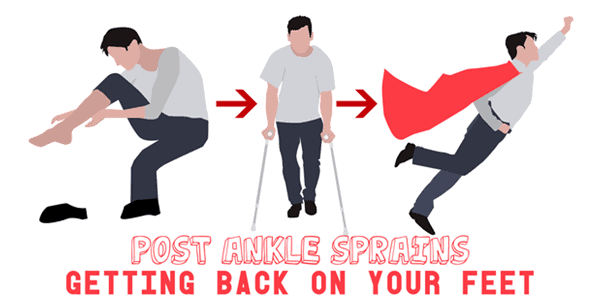
An ankle sprain happens when the ligaments around the joint stretch or tear, and it often follows a twist or awkward landing. You may notice swelling. Since the injury affects joint control, walking, balance, and sports movement typically become harder for a period of time. Here are some strategies to recover from an ankle sprain:
Reduce Swelling
In the first few days, swelling after an ankle sprain limits motion and increases discomfort, so early care focuses on calming the area. Rest the ankle. As too much activity may add stress, use a brace, wrap, or crutches if walking changes your gait.
Compression and elevation help manage fluid, and cold packs may reduce pain after activity. Use short sessions. When you apply ice, place a cloth between the pack and your skin.
A simple routine typically works well, and it helps you track how the ankle responds each day. Try these steps:
- Brief sessions of icing
- Light compression with an elastic wrap
- Increased elevation above heart level
Since swelling shifts through the day, check the ankle in the morning and evening.
Increase Range of Motion
Once swelling starts to drop, gentle movement helps the joint regain normal motion, and this stage often begins with small drills. Start with ankle circles. Since stiff tissue resists movement after injury, move slowly and stop before sharp pain.
You can also trace the alphabet with your foot, and towel stretches may help with calf tightness. Keep the motion smooth. When the ankle loosens, try pulling the toes up and down through a pain-limited range.
Strengthen Ankle
Strength work builds support around the joint, and it prepares the ankle for daily loads. Begin with isometric holds. Since these drills create muscle tension without joint movement, they fit well in early rehab.
Resistance band exercises add direction-specific work, and they target the muscles that control inward and outward motion. Sit with the leg supported. When you press the foot against the band, keep the knee still and the movement slow.
Calf raises, step-downs, and single-leg stands build strength for standing and walking, but they also expose weak control. Start on both feet. If swelling rises later in the day, reduce the number of repetitions at the next session.
Train for Sports
Sports demand speed, cutting, and landing control, so rehab must progress beyond basic strength. Add balance drills first. Since ankle sprains often disturb joint awareness, use a single-leg stance and work on firm ground before uneven surfaces. Later, include short hops, lateral shuffles, and planned direction changes, and keep the volume low at first. When the ankle handles these drills without added swelling, move toward sport-specific patterns such as sprint starts or controlled jumps.
Address an Ankle Sprain
Recovery follows a sequence, and each phase builds on the one before it. Stay consistent. As pain, swelling, and instability may signal a slower healing process, contact a licensed clinician if symptoms continue or worsen. If you need guidance, schedule an ankle evaluation and start a structured rehab plan. Bring your injury timeline. When you follow a clear progression, you give the ankle a better path back to daily activity and sport.
-

 News9 months ago
5 Signs of a Silverfish Infestation You Should Never Ignore in Norway
-

 Finance8 months ago
Planning Strategies for Securing Your Financial Independence
-

 Finance8 months ago
Scaling Without Spilling: How Fast Growth Stays Accountable
-

 Uncategorized8 months ago
The Future of Personalized Tutoring: Trends Transforming Global Education
-

 Real Estate5 months ago
Careers Huntington WV: How to Launch a Real Estate Career in 2026
-

 Uncategorized7 months ago
Why Clutches Are a Go-To Option for Evening Events
-

 Uncategorized6 months ago
Healthy Aging at Home: Daily Habits That Make the Biggest Difference
-

 Life style3 months ago
The Untold Story of Joanna Sturm’s Family